
Education
The Student Nomad Guide: How to Ace Your Degrees While Exploring the World

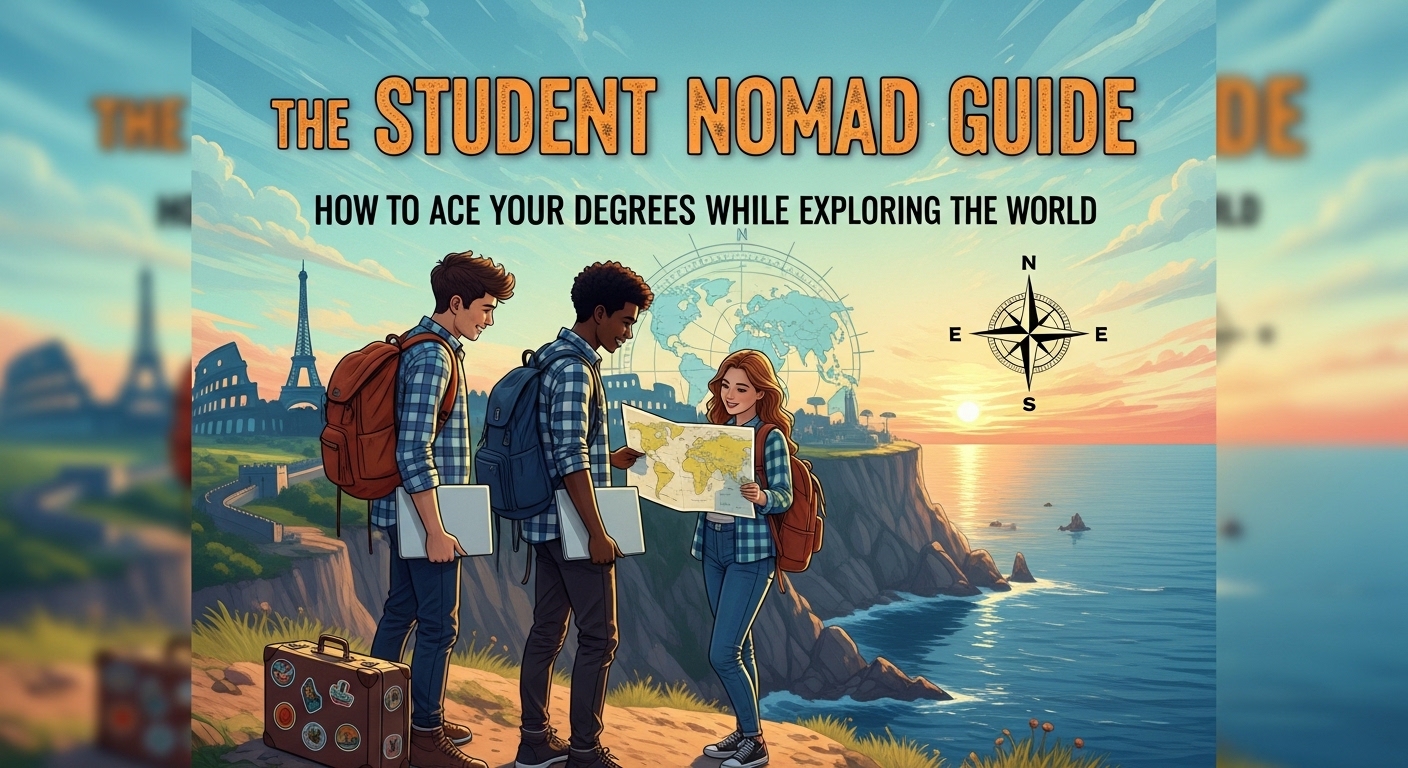
The world is your oyster, and increasingly, your classroom too. Gone are the days when earning a degree meant being tethered to a single campus. Today’s students are a new breed: the “Student Nomads.” You’re dreaming of sipping coffee in a Parisian café while finalizing your thesis, or reviewing lecture notes with a backdrop of the Himalayas. This isn’t just a fantasy; it’s a growing reality for countless ambitious learners who refuse to put their wanderlust on hold. But how do you master both the academic grind and the thrill of global exploration without dropping the ball on either?
It’s a delicate dance, balancing textbooks with travel guides, deadlines with departure dates. It demands meticulous planning, unwavering self-discipline, and a knack for embracing flexibility. If you’re ready to trade stale dorm rooms for vibrant hostels, and local libraries for breathtaking landscapes, then this guide is for you. Let’s unpack the secrets to becoming a successful student nomad, proving that you can indeed have your academic cake and eat it too – often with a view.
The Foundation – Why Go Nomad?
Before we dive into the ‘how,’ let’s quickly affirm the ‘why.’ Why would anyone willingly add the complexities of travel to an already demanding academic schedule? The answer is simple: unparalleled growth. Studying while traveling isn’t just about collecting passport stamps; it’s about enriching your education in ways a traditional campus never could. You gain firsthand experience of different cultures, develop crucial problem-solving skills in unfamiliar environments, and build a global network that will serve you long after graduation.
Imagine studying international relations while living in Geneva, or art history while backpacking through Italy. The world becomes your living textbook, offering context and depth that no lecture can fully replicate. This immersive learning accelerates personal development, fosters resilience, and provides a unique perspective that stands out to future employers. It’s a journey of self-discovery, intellectual expansion, and unforgettable memories. But to unlock these benefits, you need a solid game plan.
Choosing Your Academic Path – The Nomad-Friendly Degree
Not all degrees are created equal when it comes to nomadic study. While nearly any subject can be adapted, some lend themselves more naturally to a location-independent lifestyle.
Consider these factors when choosing your program:
- Online vs. Hybrid: Fully online degrees are the gold standard for student nomads. They offer the ultimate flexibility, allowing you to attend virtual lectures, submit assignments, and participate in discussions from anywhere with an internet connection. Hybrid programs, which combine online learning with occasional in-person sessions, can also work if you’re willing to schedule your travel around those commitments. If your program demands practical lab work or clinical rotations, you might need to get creative with shorter, concentrated stays or explore programs designed specifically for remote practical components.
- Asynchronous vs. Synchronous: Asynchronous courses allow you to complete coursework on your own schedule, which is perfect for navigating different time zones or unreliable internet connections. Synchronous courses, with live virtual classes, require more rigid scheduling but can foster a stronger sense of community. A blend of both often offers the best of both worlds.
- Degree Level & Duration: Associate’s, Bachelor’s, Master’s, or Ph.D. programs can all be pursued nomadically. Be realistic about the time commitment. A Ph.D. might require more stable research periods, while an Associate’s might be easier to complete on the move. Also, consider if accelerated programs might suit your travel pace, or if a more spread-out schedule is better for deeper immersion.
Talk to academic advisors and current students in your desired programs. Look for universities with strong remote learning support systems and a track record of successful online graduates. Remember, flexibility in your program is key to flexibility in your travels.
Mastering the Art of Remote Productivity
This is where the rubber meets the road. Being a student nomad requires a new level of organizational prowess and self-discipline.
- Dedicated Study Time: Treat your studies like a job. Schedule specific blocks of time each day or week for lectures, reading, and assignments. Stick to this schedule as much as possible, even when the beach is calling your name. Consistency builds momentum.
- Create Your Workspace: Even if it’s just a corner of a hostel common room or a quiet café table, establish a temporary “office.” Clear the clutter, put on your headphones, and mentally shift into “study mode.” Having a designated space, however temporary, signals to your brain that it’s time to focus.
- Time Zone Management: This is crucial. Use world clock apps to keep track of deadlines in your university’s time zone. If you have synchronous classes, factor in time differences when planning your travel. Sometimes, this might mean an early morning lecture from a new city or a late-night study session.
- Leverage Productivity Tools: Apps like Todoist, Trello, Notion, or Asana can help you manage assignments, deadlines, and project breakdowns. Use digital calendars to track not just academic due dates but also travel plans, visa renewals, and social events.
- Breaks are Essential: Don’t burn out. Schedule regular breaks to explore your surroundings, grab a meal, or simply stretch. A refreshed mind is a productive mind. Use your location to inspire your breaks – a walk through a new city park or a quick dip in the ocean can do wonders.
And let’s be honest, sometimes even the most organized student nomad faces overwhelming coursework. If you ever find yourself swamped with essays, research papers, or complex assignments, remember there’s no shame in seeking a little backup. Many successful student nomads rely on professional Assignment Writing Service providers to help them stay on track without sacrificing their travel experiences. They can be a lifesaver when you’re juggling a tight deadline with a long bus ride.
The Tech Stack for the Roaming Scholar
Your gadgets are your lifeline. Investing in reliable technology is non-negotiable for the student nomad.
- Reliable Laptop: This is your primary tool. Choose a lightweight laptop with good battery life, sufficient processing power for your academic needs, and ample storage. Consider a durable case to protect it from travel bumps.
- Portable Wi-Fi Hotspot: Wi-Fi can be unreliable in many parts of the world. A portable hotspot with a local SIM card (or an international eSIM) can be a lifesaver for lectures, submissions, and quick research. Always have a backup plan for internet access.
- Power Bank & Universal Adapter: You’ll be constantly charging devices. A high-capacity power bank is essential for long travel days or when outlets are scarce. A universal travel adapter ensures you can plug in anywhere.
- Noise-Canceling Headphones: A must-have for noisy hostels, busy cafes, or long flights. They create a personal quiet zone, allowing you to focus on lectures or readings.
- Cloud Storage: Use services like Google Drive, Dropbox, or OneDrive to back up all your academic files. If your laptop gets lost or damaged, your work will still be safe and accessible from any device.
- Digital Notetaking Apps: Apps like Evernote, OneNote, or GoodNotes (for iPad users) allow you to take notes digitally, organize them by course, and access them from any device. This eliminates the need for bulky notebooks.
Always have a backup strategy for your most critical data. The last thing you want is to lose weeks of work because of a lost or stolen device.
Budgeting for Both Books and Backpacks
Managing your finances is arguably the biggest hurdle for student nomads. You’re balancing tuition, living expenses, and travel costs.
- Detailed Budgeting: Create a meticulous budget that covers tuition, recurring subscriptions, travel insurance, accommodation (hostels, Airbnbs, long-term rentals), transportation, food, activities, and a buffer for emergencies. Use budgeting apps to track your spending.
- Student Discounts & Travel Perks: Always look for student discounts on flights, accommodation, attractions, and software. Student ID cards can be surprisingly powerful. Research travel credit cards that offer points or cashback on expenses you’ll be making anyway.
- Passive Income & Remote Work: Many student nomads supplement their income with remote work like freelance writing, virtual assisting, graphic design, or online tutoring. Even a few hours a week can significantly offset travel costs.
- Strategic Accommodation: Mix high-cost and low-cost destinations. Opt for hostels with good communal workspaces in expensive cities, and splurge a bit on an Airbnb with a private desk in cheaper locations. Consider house-sitting or work-exchange programs to reduce accommodation costs.
- Cook Your Own Meals: Eating out constantly drains your budget. Learn to cook simple meals in hostel kitchens or Airbnbs. It’s healthier and more cost-effective.
- Travel Insurance is Non-Negotiable: This protects you from medical emergencies, trip cancellations, and lost luggage. Don’t skip it.
Remember, every dollar saved on daily expenses is a dollar you can put towards your next adventure or a crucial academic resource.
Staying Connected – Academically and Personally
Isolation can be a real challenge for student nomads. It’s vital to maintain connections both for your studies and your well-being.
- Engage with Your University Community: Participate actively in online forums, virtual study groups, and live discussions. Reach out to professors during virtual office hours. This helps you feel connected to your academic institution and ensures you don’t miss important updates.
- Build a Support Network: Connect with other digital nomads and travelers. Join Facebook groups, attend local meetups, or use apps designed for solo travelers. Having friends to share experiences with and to lean on when things get tough is invaluable.
- Stay in Touch with Home: Regular video calls with family and friends can combat homesickness. Share your adventures; it helps them feel included and keeps your connections strong.
- Prioritize Mental Health: Travel can be exhilarating but also stressful. Be mindful of burnout, homesickness, and culture shock. Don’t hesitate to take a day off from both studying and sightseeing to recharge. Many universities offer remote mental health counseling – know what resources are available to you.
It’s okay to feel overwhelmed sometimes. The key is to recognize these feelings and address them before they impact your studies or your experience.
When You Need a Helping Hand – Academic Support on the Road
Even the most dedicated student nomad will face moments where academic demands feel overwhelming. Perhaps you’re in a new city, battling jet lag, and suddenly have a massive essay due. Or a complicated research paper is proving more challenging than anticipated. This is where strategic support becomes your best friend.
Don’t let pride or stubbornness derail your academic progress. Recognizing when you need help is a sign of strength, especially when you’re managing multiple demanding roles. Services like Write My Essay can be incredibly valuable in these situations. Whether it’s crafting a compelling argument, structuring a complex report, or simply proofreading your final draft, having an expert assist with specific academic tasks can free up your time and mental energy. This allows you to focus on your travel experiences, catch up on sleep, or tackle other assignments with renewed vigor. It’s about leveraging resources to ensure your academic journey remains smooth, even when your physical journey is taking you across continents.
Conclusion
Becoming a student nomad is more than just a lifestyle choice; it’s a commitment to learning in its most expansive form. It’s about breaking free from conventional boundaries, proving that education and exploration are not mutually exclusive. It demands courage, adaptability, and an unyielding desire to learn, both inside and outside the classroom.
The path won’t always be easy. There will be challenging internet connections, unexpected travel delays, and moments of doubt. But for every hurdle, there will be a breathtaking view, a profound cultural exchange, and an unparalleled sense of accomplishment.
So, pack your bags, fire up your laptop, and get ready to write your own extraordinary chapter. The world is waiting, and your degree is just one incredible part of the adventure.
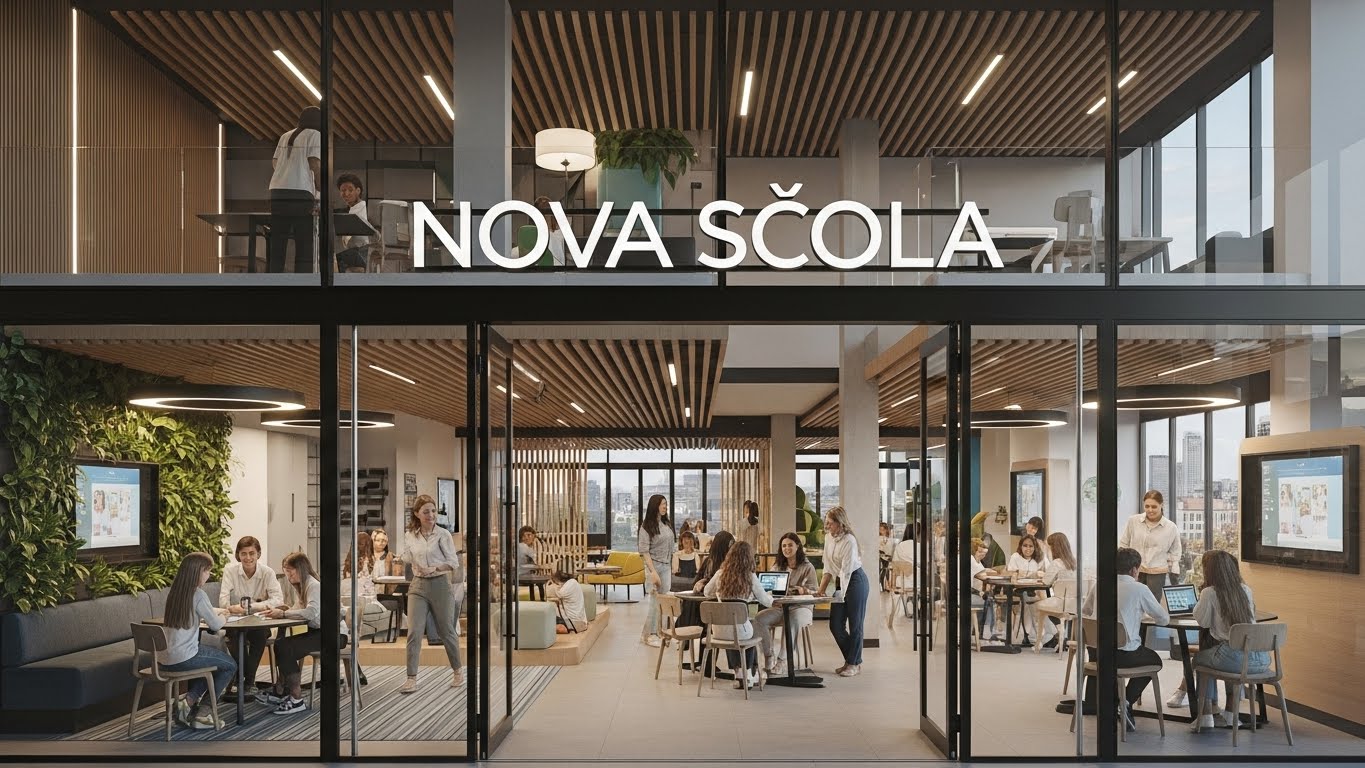
Welcome to the revolution in education: Nova Scola. In a world where traditional teaching methods often fall short, Nova Scola stands out as a beacon of innovation and flexibility. This groundbreaking educational institution is on a mission to redefine how students learn, grow, and thrive. By embracing modern techniques and prioritizing student well-being, Nova Scola sets itself apart from conventional schools. Here, learning isn’t just about textbooks; it’s about nurturing curiosity and fostering real-world skills. Join us as we explore what makes Nova Scola a leader in reshaping the future of education!
Traditional education vs. Nova Scola’s approach
Traditional education often follows a one-size-fits-all model. Students sit in rows, absorbing information from lectures. Standardized tests dictate progress and success.
In contrast, Nova Scola embraces a personalized approach. Each student’s learning journey is unique, tailored to their interests and strengths. Here, curiosity drives the educational experience.
Collaboration thrives at Nova Scola. Instead of competing for grades, students learn together. Projects encourage teamwork and creativity, fostering real-world skills.
Classroom walls dissolve as outdoor experiences enhance learning. Nature becomes an extension of the classroom, igniting passion for discovery.
This innovative method recognizes that knowledge isn’t just facts; it’s about understanding concepts deeply and applying them meaningfully in everyday life.
The benefits of a student-centered, holistic education
A student-centered, holistic education nurtures the whole individual. It goes beyond academic achievements to foster emotional, social, and creative growth. Students engage deeply with their learning journey.
This approach cultivates critical thinking skills. Learners become active participants rather than passive recipients of information. They explore ideas that resonate with their interests and passions.
Additionally, a focus on well-being enhances motivation and resilience. When students feel valued and understood, they thrive in a supportive environment. This leads to improved self-esteem and confidence.
Holistic education also emphasizes collaboration over competition. By working together on projects or problem-solving tasks, students build essential teamwork skills that will serve them well in the future.
This model prepares young minds for real-world challenges by equipping them with adaptable skills necessary for lifelong success.
A look into Nova Scola’s curriculum and teaching methods
At Nova Scola, the curriculum is designed to spark curiosity and foster critical thinking. Unlike conventional education models, it emphasizes interdisciplinary learning. Students explore connections across subjects, making lessons more relevant and engaging.
Teaching methods at Nova Scola prioritize collaboration. Group projects encourage teamwork while enhancing communication skills. Educators act as facilitators rather than traditional lecturers, guiding students in their discovery journey.
Technology plays a vital role in the classroom. Interactive tools and resources create immersive learning experiences that cater to diverse learning styles. This approach not only makes education enjoyable but also prepares students for a tech-driven world.
Assessment goes beyond standardized tests; it includes portfolio reviews and peer evaluations. These practices provide comprehensive insights into student progress, allowing for personalized feedback tailored to individual needs and strengths.
Student success stories and testimonials
At Nova Scola, student success isn’t just a goal; it’s a reality. Take Mia, for example. She struggled in traditional settings but flourished with our personalized approach. Today, she’s thriving in her passion for environmental science.
Then there’s Jordan, who once hesitated to speak up in class. Through collaborative projects and supportive peer interactions at Nova Scola, he gained confidence and is now leading community initiatives on youth engagement.
Testimonials from parents highlight the transformation they see in their children. “My son was always anxious about school,” one parent shared. “Now he loves learning and can’t wait to share what he’s discovered.”
These stories reflect the heart of Nova Scola’s mission: empowering each student to unlock their potential while fostering a love for education that extends beyond the classroom walls.
How Nova Scola is preparing students for the future
At Nova Scola, the emphasis is on equipping students with skills that transcend traditional learning. The focus extends beyond rote memorization to critical thinking and problem-solving.
Through innovative projects, students tackle real-world issues. This hands-on approach fosters creativity and adaptability—essential traits for tomorrow’s leaders.
Technology is seamlessly integrated into daily lessons, ensuring that students are comfortable navigating digital platforms. They learn not just how to use technology but also how to leverage it for collaboration and innovation.
Moreover, Nova Scola encourages emotional intelligence development. Skills like empathy, resilience, and teamwork prepare students for diverse workplaces where interpersonal dynamics matter as much as technical know-how.
By nurturing a growth mindset, Nova Scola instills confidence in its learners. Students are encouraged to embrace challenges and learn from failures—a vital lesson in an ever-evolving world.
The impact of Nova Scola on the education system
Nova Scola is making waves in the education system, challenging traditional norms. By prioritizing a student-centered approach, it fosters creativity and critical thinking.
Schools are beginning to notice the shift. With Nova Scola’s innovative methods, educators are re-evaluating their teaching styles. This fresh perspective encourages collaboration rather than competition among students.
Moreover, parents appreciate the focus on holistic development. They see their children thriving not just academically but emotionally and socially as well.
The ripple effect of this model extends beyond individual schools. It inspires a broader dialogue about what education should look like in today’s world—a paradigm shift that advocates for adaptability and inclusivity.
As more institutions adopt similar principles, we could witness significant reform across educational landscapes globally. Nova Scola’s influence might be just the spark needed to ignite lasting change within an often rigid system.
Why Nova Scola is the future of education
Nova Scola represents a transformative shift in the educational landscape. It prioritizes the needs and interests of students, creating an engaging learning environment.
This innovative approach cultivates critical thinking and creativity. Students are encouraged to explore their passions rather than merely absorb facts. This not only enhances retention but also fosters a love for lifelong learning.
Moreover, technology integration plays a crucial role at Nova Scola. Modern tools enhance collaboration and communication skills among peers. These competencies are essential in today’s digital world.
The focus on holistic education prepares students for real-world challenges. Emotional intelligence, problem-solving abilities, and adaptability become key components of their development.
As educators embrace this dynamic model, they shape future leaders equipped with diverse skill sets. With its visionary principles, Nova Scola paves the way for what education can achieve in an ever-evolving society.
Conclusion
Nova Scola stands at the forefront of modern education, challenging traditional methods and reshaping how we view learning. Its student-centered approach fosters a nurturing environment where every learner thrives. By integrating innovative teaching methods with a holistic curriculum, Nova Scola not only prepares students academically but also equips them for real-world challenges.
The success stories and testimonials from students highlight the tangible impact Nova Scola has on individual lives. Graduates emerge as confident, competent individuals ready to tackle their futures head-on. The initiative is more than just an educational institution; it’s a movement that seeks to transform the entire education system.
As society continues to evolve rapidly, so too must our educational frameworks. Nova Scola embodies this evolution by prioritizing adaptability and relevance in its teaching practices. This forward-thinking model ensures that learners are not only prepared for today’s demands but also future uncertainties.
Nova Scola represents a new paradigm in education—a place where learning is dynamic and inclusive. As we look ahead, it’s clear that institutions like Nova Scola will shape the future landscape of education for generations to come.
-
 Blog4 months ago
What Is i̇ns? Exploring Its Origins, Usage, and Symbolism
-
 Blog5 months ago
Jememôtre: A Hidden Gem in the World of Culture
-

 Technology3 months ago
100GBASE-ZR4 Optical Modules: A Practical Long-Reach Solution for Modern Data Center Interconnects
-

 Business3 months ago
Essential Online Banking Security Tips to Protect Your Finances
-
 Technology4 months ago
Cartetach: The Next Big Thing in Digital Communication
-
 Technology4 months ago
Rgarrpto: Understanding Its Impact on Modern Technology
-

 Life Style4 months ago
Taylor Breesey Face Reveal: Everything Fans Need to Know
-

 Blog4 months ago
Hormita: Understanding the Meaning, Uses, and Digital Importance of a Rising Keyword