
Business
Hidden Costs of a Dirty Office: What Cleaners Won’t Tell You


Your office looks fine. Not spotless, but acceptable. The trash gets emptied, floors get vacuumed occasionally, bathrooms are… functional. You’re paying for cleaning services, boxes are checked, moving on.
Except you’re hemorrhaging money in ways that never show up on any invoice or budget line. The dirty office isn’t just an aesthetic issue or a minor inconvenience. It’s actively costing your business thousands or tens of thousands of dollars annually through channels you probably haven’t connected to cleanliness.
Cleaning companies won’t tell you this because it’s not their job to audit your business operations. They’re there to provide the service you’re paying for at the price you agreed to. Whether that service level is adequate for your actual business needs? Not really their concern.
So let’s talk about what’s actually happening when your office isn’t as clean as it should be.
The Illness Multiplier Nobody Calculates
Start with the most direct cost: your employees getting sick more often than necessary because your office is a petri dish.
According to research from various public health organizations, offices with inadequate cleaning protocols see significantly higher rates of illness transmission. One person comes in with a cold or flu, and within days half the team is either sick or fighting something off.
Quick math on what that costs: average salary for a knowledge worker in a decent-sized city is maybe $70,000 to $100,000 annually. That’s roughly $350 to $500 per day. If inadequate office cleaning causes each employee to lose just two additional sick days per year compared to a properly maintained office, you’re looking at $700 to $1,000 per person in direct salary cost for zero productivity.
Multiply by your headcount. A 20-person office is potentially losing $14,000 to $20,000 annually just in direct salary costs for avoidable sick days. And that’s a conservative estimate that doesn’t account for deadlines missed, projects delayed, or the productivity loss when people come in sick because they’re out of sick days.
Your cleaning service isn’t responsible for calculating this for you. They’re just following whatever scope and frequency you specified when you hired them. If that scope is inadequate, they’re happy to keep collecting payment for insufficient service.
Productivity Degradation You Don’t Measure
Here’s a cost that’s harder to quantify but possibly larger: the cognitive impact of working in a suboptimal environment.
Multiple studies in organizational psychology have found that environmental factors significantly affect worker productivity and cognitive performance. Clutter, dirt, poor air quality, unpleasant odors – these all create cognitive load that reduces focus and effectiveness.
The effect isn’t dramatic enough that anyone consciously notices. Your employees aren’t walking around thinking “I’d be so much more productive if this office were cleaner.” But their output is being reduced by small percentages across the board, every single day.
Let’s say the effect is just 5% reduction in cognitive performance – probably conservative based on the research. For that same 20-person office with average salaries around $80,000, that’s $4,000 per person annually in reduced effective output. Across the team, $80,000 in productivity you’re not getting because the environmental conditions are subtly degrading performance.
You’re still paying full salaries. You’re just getting 95 cents of value for every dollar instead of the full dollar. Nobody notices because it’s not a sudden change, just a persistent inefficiency that never gets connected to its actual cause.
The Client Impression Tax
Every time a client or prospective customer visits your office, they’re forming impressions. Consciously and unconsciously, they’re evaluating whether you’re competent, detail-oriented, successful, trustworthy.
A dirty or poorly maintained office sends signals. Maybe they’re not fair signals – plenty of brilliant people work in messy environments. But the signals get sent anyway, and they affect business outcomes.
That conference room with the stained carpet and the vaguely musty smell? You just reduced your chances of closing that deal by some percentage. The bathroom that clearly hasn’t been properly cleaned in weeks? The prospective client is now questioning your attention to detail across the board.
Quantifying this is nearly impossible, but consider: if inadequate office cleanliness reduces your sales close rate by even 2-3%, what’s that worth over a year? For a B2B service business doing $2 million in annual revenue, a 2% reduction is $40,000 in lost business.
Could be much more if you’re in a competitive market where small differentiators matter. Could be less if your clients never visit your office. But it’s not zero, and nobody’s calculating it or connecting it to the cleaning budget you’re trying to minimize.
Equipment and Facility Degradation
Dirt and grime don’t just sit on surfaces doing nothing. They actively degrade equipment, furniture, and facilities, shortening lifespans and increasing replacement costs.
Keyboards and mice full of debris fail faster. Computer equipment in dusty environments has cooling problems and shorter lifespans. Carpet that doesn’t get properly maintained wears out years earlier than it should. Furniture that never gets cleaned properly looks shabby and needs replacing sooner.
HVAC systems in buildings without adequate cleaning protocols work harder and fail faster because they’re fighting against accumulated dust and debris. Filters need more frequent replacement. Energy costs are higher. System lifespan is reduced.
None of this shows up as a cleaning cost. It shows up in your equipment budget, your facility maintenance budget, your utilities. But the root cause is often inadequate cleaning, and nobody’s making that connection explicit when reviewing expenses.
A proper cost analysis would allocate these depreciation and maintenance costs at least partially to cleaning inadequacy. But that analysis rarely happens, so businesses keep underfunding cleaning while overpaying for equipment replacement and repairs.
For those exploring how systematic professional approaches prevent these cascading costs, cleaninglaboratory.com offers insights into comprehensive protocols that protect equipment and facilities while maintaining health and productivity.
The Talent Cost Almost Nobody Discusses
Quality employees have options. They’re evaluating not just salary and benefits, but work environment. An office that’s consistently dirty or poorly maintained affects recruitment and retention in ways that are hard to trace directly but definitely real.
Top candidates notice when your bathroom situation is sketchy or the kitchen is perpetually gross. They notice when the space feels neglected. These observations feed into their overall assessment of whether your company has its act together.
Current employees gradually become dissatisfied when their work environment is subpar. Not enough to quit immediately over it – cleaning quality alone rarely drives turnover. But it’s one more factor that makes them less engaged, more likely to respond to recruiter outreach, less likely to recommend your company to talented friends.
What’s the cost of slightly higher turnover? Of taking a few weeks longer to fill positions because your office doesn’t impress candidates? Of losing employees who would have stayed if the overall package was slightly more appealing?
For professional roles, the cost of turnover is typically 6 to 9 months of salary when you factor in recruiting costs, training time, and productivity ramp-up for new hires. If inadequate office conditions contribute to just one additional employee departure per year that could have been prevented, you’re looking at $35,000 to $75,000+ in costs.
Nobody’s tracking this as “cost of inadequate office cleaning” but that doesn’t mean the cost isn’t real.
The Air Quality Factor
Here’s something most businesses completely miss: air quality in offices significantly affects health and cognitive performance, and it’s directly related to cleaning protocols.
Dust accumulation, inadequate ventilation, bacterial and mold growth from moisture issues that don’t get addressed – these all degrade indoor air quality. That affects everything from allergies and respiratory issues (more sick days) to cognitive function (reduced productivity) to general comfort and morale.
Some research suggests that improved indoor air quality can improve cognitive function by 60% or more on certain types of tasks. Even if the real-world effect is a fraction of that in typical office settings, it’s substantial.
What’s this worth? Hard to say precisely, but meaningful. Better air quality means fewer sick days, better focus, higher productivity. Potentially thousands of dollars per employee annually when you add up the various effects.
Getting air quality right requires more than just HVAC maintenance. It requires proper cleaning protocols that actually remove dust and prevent mold growth rather than just moving dirt around. Most cheap cleaning services don’t achieve this, and most businesses never make the connection between their cleaning protocols and their air quality problems.
The Compounding Effect of Deferred Maintenance
Dirt and grime accumulate exponentially, not linearly. A slightly dirty office becomes a moderately dirty office becomes a seriously neglected office faster than most people realize.
Once you fall behind on proper cleaning, catching up becomes progressively more expensive. That carpet that needed proper extraction cleaning a year ago? Now it needs replacement because the ground-in dirt has damaged the fibers beyond recovery. That grout that needed periodic deep cleaning? Now it’s permanently stained and you’re looking at regrouting or replacement.
Deferred maintenance compounds. Every dollar you “save” by underfunding cleaning now potentially costs you three or five or ten dollars later in remediation, replacement, or facility repairs.
Businesses see these eventual costs but often don’t connect them to the cleaning budget they’ve been minimizing for years. They just know they suddenly need to spend $20,000 replacing carpet or $15,000 on a deep facility cleaning project, and they’re annoyed about the expense.
What Adequate Actually Costs vs. What Inadequate Costs
Most businesses choose cleaning services primarily on price. Cheapest option that seems acceptable wins. Then they never revisit whether “acceptable” is actually adequate for their needs.
Adequate cleaning for a typical office probably costs 30 to 50% more than the cheapest option. For a medium-sized office, that might mean $3,000 to $4,000 monthly instead of $2,000 to $2,500.
Seems like significant money until you calculate the costs of inadequate cleaning:
- Additional sick days across employees: $10,000 to $20,000 annually
- Productivity degradation from suboptimal environment: $50,000 to $100,000+ annually
- Accelerated equipment and facility degradation: $10,000 to $30,000 annually
- Lost business from poor client impressions: variable but potentially substantial
- Increased turnover and recruitment costs: $20,000 to $50,000+ annually
Even conservative estimates suggest inadequate cleaning costs far more than the difference between cheap and adequate service. You’re saving maybe $12,000 to $18,000 annually on cleaning while incurring $90,000 to $200,000+ in costs that don’t get attributed to cleaning inadequacy.
That’s not good economics. That’s being penny-wise and pound-foolish.
Why Cleaning Companies Won’t Tell You This
Cleaning services aren’t consultants analyzing your business operations. They’re vendors providing a service at a price point you specified.
If you tell them you want basic service for $2,000 monthly, they’ll provide exactly that. They’re not going to volunteer “hey, you should really be spending $3,500 monthly for adequate service” because that risks losing the contract entirely to a competitor who won’t question your budget.
The better cleaning companies might educate you about this if asked. But most don’t proactively because it’s not their business model. They respond to RFPs with competitive bids, not unsolicited business consulting about the true cost of inadequate cleaning.
So businesses operate under the assumption that whatever they’re paying is appropriate, never calculating the hidden costs that dwarf the cleaning budget line item.
How to Think About This Differently
Stop treating cleaning as a cost to minimize. Start treating it as infrastructure that enables everything else.
Your office cleaning situation affects employee health, productivity, satisfaction, and retention. It affects client impressions and business development outcomes. It affects equipment longevity and facility maintenance costs. It’s not separate from your business operations, it’s foundational to them.
The right question isn’t “what’s the cheapest cleaning we can get away with?” It’s “what level of cleaning optimizes total costs including all the secondary effects?”
That calculation almost always suggests spending more on cleaning than most businesses currently do, because the return on that spending is substantial when you account for all the costs that adequate cleaning prevents.
What Actually Adequate Looks Like
Adequate office cleaning includes:
- Daily attention to high-traffic and high-touch areas
- Proper sanitation protocols, not just surface wiping
- Regular deep cleaning of carpets, upholstery, and other surfaces that accumulate grime
- Attention to air quality through proper dusting and ventilation system maintenance
- Responsive handling of issues as they arise rather than waiting for scheduled service
This requires investment beyond basic janitorial service. It requires professional cleaning companies that understand comprehensive office maintenance, not just vendors who empty trash and vacuum visible areas.
It costs more than minimum-budget cleaning. It costs far less than the hidden expenses of inadequate cleaning when you actually calculate total impact.
Making the Business Case Internally
If you’re trying to justify better cleaning service to leadership or finance teams, you need data:
Document current sick day patterns. Calculate salary costs. Research typical illness rates in well-maintained offices and estimate potential savings from better hygiene protocols.
Survey employees about workspace satisfaction and identify cleaning-related complaints. Connect these to retention risk and recruitment challenges.
Calculate equipment replacement and facility maintenance costs over the past several years. Identify portions that could be attributed to inadequate cleaning and prevention.
Get quotes for adequate cleaning services and compare the cost delta to the documented hidden costs of current inadequacy.
Present this as a total cost analysis, not just a cleaning budget request. Show the return on investment from spending more on proper office maintenance.
Most of this data is available internally, you just need to compile it and make the connections explicit that usually stay implicit.
The Reality Most Businesses Face
Most offices are under-cleaned relative to what would actually optimize total costs. Not drastically, just persistently. Enough to create meaningful hidden costs without being obvious enough to trigger immediate action.
This happens because cleaning is treated as overhead to minimize rather than infrastructure to optimize. Because the costs of inadequacy are distributed across multiple budget categories and never get aggregated. Because nobody’s job it is to calculate total impact rather than just manage the cleaning budget line item.
Changing this requires thinking differently about what office cleaning actually is and what it affects. It requires being willing to spend more on cleaning than feels comfortable based on budget pressure, because the math actually supports that spending when you calculate honestly.
Your office might look “fine” right now. But fine might be costing you dramatically more than adequate would cost, you’re just not connecting the expenses to their root cause.
That’s the hidden cost of a dirty office: not that it’s obviously terrible, but that it’s persistently inadequate in ways that quietly drain resources across your entire operation. And your cleaning service isn’t going to tell you about this because it’s not their job to audit your business decisions.
It’s yours. Might be worth doing the actual math instead of just assuming your current cleaning budget is appropriate because nobody’s complaining loudly enough to force a change.
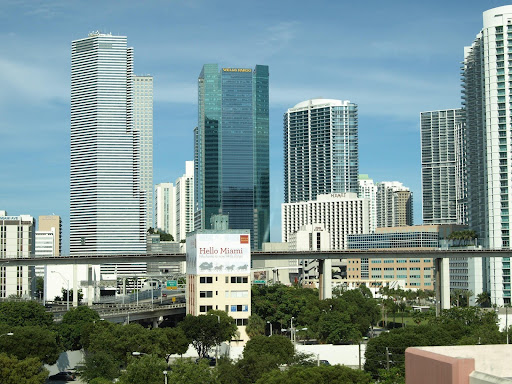
Miami drivers often notice insurance quotes varying widely across town. A Brickell condo owner might receive a $142 monthly rate while someone in Hialeah sees $98 for identical coverage. Clean driving records match everywhere, yet premiums scatter. Neighborhood risks differ significantly. Traffic conditions shift from one exit to the next. Vehicle choices influence costs noticeably. Driver profiles finalize the calculations. Local families frequently compare car insurance quotes Miami during renewal periods, looking beyond headline prices for practical fits. Valets on Ocean Drive scratch doors regularly. Airport routes encounter rental car pileups. Gated Pinecrest estates offer quiet overnight parking. These patterns create clear premium differences across zip codes, transforming generic quotes into tailored plans that align with daily driving realities.
A Coral Gables father recently gathered three quotes and laid them out on his kitchen table. The figures stayed within $15 of each other but revealed distinct approaches. The Brickell option included flood riders for nearby canals. The Hialeah version omitted collision coverage for older trucks. Wynwood fell in the middle with balanced protection. Miami’s diverse roads require such customized selections rather than uniform plans that leave coverage gaps.
Why Car Insurance Quotes Can Differ Across Miami
Neighborhood Risk Variations
Brickell high-rises feature crowded valet stands near every garage entrance, where rushed attendants often cause $900 door dings on fresh paint. Theft groups target parked luxury cars overnight, driving premiums to $168 to reflect these urban challenges. Coconut Grove’s low-lying areas near canals flood annually, with water claims occurring 28 percent more often than city averages – residents prepare for surge risks during hurricane season. Little Havana commuters travel US-1 steadily through commercial areas but avoid coastal flooding, and street parking reduces break-in chances compared to paid garages, resulting in rates around $112 monthly.
Hialeah’s railyard zones allow trucks to park curbside away from tourist hotspots, lowering rates to about $96 for industrial workers who deal more with potholes than theft. Wynwood’s weekend art walks attract dense crowds, leading to frequent bike collisions and pedestrian incidents that push urban premiums to $149, even for drivers with clean records. Pinecrest’s gated neighborhoods maintain quiet streets with minimal fender benders, reducing bills by $32 monthly compared to denser areas. Key Biscayne residents cross long bridges with consistent traffic flows that bypass mainland congestion, keeping premiums stable at $118. A South Beach bartender who relocated to Allapattah saw her $172 beachfront quote decrease by $46 immediately, demonstrating how street environments alone alter costs significantly.
Traffic Exposure Differences
I-95 northbound through Brickell crawls during rush hours, as semi-trucks merge closely with sports cars heading for off-ramps – rear-end incidents occur 24 percent more frequently than in suburbs, leading commuters to face $162 monthly averages. US-1 near Coral Gables university moves more smoothly with steady student drivers, allowing professors to secure rates near $128 without intense freeway pressures. The MacArthur Causeway fills with airport rental vehicles, particularly on weekends when tourist accidents rise alongside delivery vans navigating taxis, raising premiums to $155 for frequent users. Dolphin Expressway (836) provides quicker downtown access via toll lanes during peak mornings, lowering costs by $18 compared to surface roads.
Ocean Drive moves slowly with year-round tourists, where valet damage averages $780 per incident and pedestrian contacts increase liability quickly, requiring beach-area drivers to carry $171 averages. SW 8th Street in Little Haiti maintains steady commercial traffic without erratic merges, stabilizing local rates at $119. An Edgewater developer reduced airport trips through remote work and observed his $164 causeway premium fall to $127 with neighborhood driving. Traffic patterns accumulate risks block by block, making short commutes key factors that generic quotes overlook.
Vehicle Type Influence
Sports cars cruising South Beach at night attract thieves who easily cut convertible tops, resulting in $192 monthly premiums for models like red Ferraris that require additional safeguards. Minivans transporting Pinecrest children blend into family neighborhoods without drawing notice, achieving steady $108 rates for busy schedules. Trucks enduring Hialeah construction potholes withstand minor impacts on steel frames cost-effectively, maintaining rates around $115 due to their rugged build. Luxury sedans in Brickell garages necessitate expensive aluminum paint repairs at $2,800 per door, increasing premiums by $34 to account for those expenses.
Electric vehicles charging in Wynwood lofts avoid gas stations and exhibit low theft rates, reducing costs by $22 monthly. Classic cars stored in Coconut Grove garages encounter specialty glass limitations, with rear sliders costing $1,600 to replace, which raises quotes by $28 for older models. Miami drivers select coverage based on garage contents – an Overtown contractor replaced his sedan with an F-150 and reduced his premium by $36 solely due to the truck’s resilience. Vehicle structures determine claim expenses more clearly than brand names, directing quotes toward accurate repair projections.
Driver Profile Considerations
Young professionals in Brickell fresh from college typically see $176 quotes despite clean records, as age-related risks persist gradually. Families coordinating teen carpools in suburbs achieve $148 rates through multi-car bundling discounts. Rideshare operators circling South Beach passengers average $169, given the heightened claims from added mileage. Retirees driving Key Biscayne bridges secure $104 on low-mileage reductions for infrequent use.
Three years of clean driving unlocks $32 accident forgiveness discounts, though minor incidents still add $18 monthly. Married couples combining policies save 14 percent compared to individuals. A Little River mother included her husband on the policy, raising the $142 single rate to $238 for two cars but cutting the total by 16 percent – driver profiles build savings beyond initial vehicle costs. These factors layer atop vehicle details, creating personalized plans from basic figures.
What Information Affects Insurance Quotes for Miami Drivers
Driving History
Three years of clean records in areas like Buckhead yield 22 percent safe driver discounts, stabilizing $129 quotes amid increases. A fender bender from two years prior adds $26 monthly, while DUI incidents from a decade ago impose $68 penalties that diminish slowly. Past events cast extended effects on renewals – at-fault I-95 collisions add $41 on average, whereas not-at-fault claims raise costs by just $9. Multiple claims in a year compound penalties, while spotless histories accumulate reductions annually beyond standard rates.Miami drivers reference what is a deductible in car insurance to understand history’s role in claims – a Coconut Grove father received a speeding ticket at renewal, jumping his $134 clean quote by $29 immediately. Rental accidents forgiven after 36 months eliminate $22 surcharges, unlike consistent comprehensive theft claims. Records forecast costs more reliably than age, favoring consistent drivers.
Vehicle Specifications
Turbocharged sedans in Brickell nightlife areas increase rates by $36 over standard versions, as performance features signal higher risk. Everyday sedans on US-1 benefit from safety ratings that cut 12 percent universally. Hybrid minivans for Pinecrest carpools earn $18 monthly green discounts, and Wynwood Teslas reduce theft risks further with anti-lock brakes saving another $14. South Beach convertibles vulnerable to top cuts raise quotes by $27.
Hialeah trucks resilient to potholes maintain $112 rates against small damages. An Allapattah mechanic’s shift to a 4WD shop truck added $19 due to off-road classifications. Internal features refine risks beyond exterior models, aligning costs with durability.
Coverage Preferences
Comprehensive packages for I-95 hazards reach $152 monthly, compared to $89 liability minimums. Collision contributes $42 for merge safeguards, comprehensive adds $28 for hail and theft. Rental coverage handles $35 daily shop interruptions, roadside assistance covers $18 annual flats, and medical payments offset $2,100 ER bills – selections accumulate beyond requirements. Gap protection addresses $7,800 lease deficits after totals, uninsured motorist aligns with liability for $24 more. Specialized add-ons suit coastal needs. NHTSA road safety resources inform these decisions – a Brickell policyholder added glass coverage, raising the $142 base by $16 but avoiding a $650 windshield expense. Options create complete profiles.
Annual Mileage Estimates
Airport shuttles at 25,000 miles yearly reach $162 quotes from elevated exposure. Errands below 7,500 miles cut $34 via usage credits. South Beach rideshare at 18,000 miles averages $155, while Key Biscayne retirees at 4,000 miles hit $102. Projections establish core risks.
Warehouse delivery vans enter business categories $41 above personal carpools at $118. A Wynwood artist reduced gallery trips remotely, dropping from 15,000 to 6,200 miles and saving $28 instantly. Actual odometer data supersedes estimates.
How Drivers Use Quotes to Compare Coverage Options in Miami
Evaluating Coverage Limits
Brickell policies limited to $25,000 liability expose gaps in four-car I-95 accidents. $100,000 tiers handle ER costs fully. Uninsured motorist equaling liability defends against unmarked trucks, unlike $50,000 limits. Medical payments cover $5,000 whiplash rapidly, with elevated caps fitting typical claims.
A Little Havana father contrasted $30,000 and $250,000 bodily injury after a $4,200 medical tap – lower coverage drained savings. Pinecrest carpools demand robust per-person limits beyond $25 to manage child ER visits effectively.
Understanding Deductibles
$250 deductibles handle $1,800 Brickell valet repairs seamlessly, unlike $1,000 options saving $36 monthly but absorbing small claims. South Beach glass at $720 favors lows. Hialeah dents split fairly at $500. Selections suit financial readiness.
Real quotes educate – a Coconut Grove $18,000 flood with $500 deductible shifted $17,500 to insurers. Higher levels would squander premiums. Yearly $250 vs. $750 checks benefit clean records.
Comparing Policy Protections
$25 daily rental limits leave weeklong voids; $40 versions cover delays. Glass waivers prevent $650 windshield outlays. Roadside avoids $115 mid-merge tows, uninsured motorist claims tagless vehicles. Cargo protects Hialeah tools.
An Edgewater driver faced a $98 Uber fee from roadside gaps – superior quotes include it standard. Pet riders address Pinecrest seat scratches; trailer exclusions block catering payouts. Details distinguish robust options.
Long-Term Affordability Considerations
Three-year clean records build 22 percent safe driver savings, with multi-year locks maintaining $129 against 9 percent rises. Home-auto bundles cut 16 percent on $238 pairs, loyalty adds 12 percent annually. Student discounts contribute 15 percent.
A Brickell household combined clean history, marriage, and multi-car coverage, reducing a $176 single quote by $2,800 over four years. Extended perspectives identify lasting value. Miami driving reveals depth over time.


The rules of smart investing have shifted. Stocks fluctuate. Startups fail. Real estate markets tighten. Meanwhile, a growing number of savvy investors are putting their money into something more tangible—franchise ownership. And platforms like Franchise Investment System are making it easier than ever to find the right franchises for sale and turn ambition into a thriving business.
So what’s driving this momentum? And why are experienced investors increasingly choosing franchise ownership over other paths to financial independence? The answers might surprise you.
The Franchise Model Has a Track Record Worth Noticing
Franchise businesses operate with a built-in advantage that independent startups simply don’t have: a proven system. The brand is established, the processes are documented, and the customer base already exists. You’re not starting from zero—you’re stepping into a structure that’s been refined over years, sometimes decades.
This doesn’t mean franchise ownership is without challenges. But the numbers tell a compelling story. Franchise businesses consistently outperform independent small businesses in terms of longevity and profitability. When you invest in a franchise, you’re buying into something with a demonstrable history of success.
That foundation is exactly what the Franchise Investment System helps prospective owners tap into. Rather than sifting through hundreds of listings and hoping for the best, their platform connects investors with franchises for sale that align with their goals, budget, and lifestyle.
What Sets Franchise Investment System Apart
There’s no shortage of places to browse franchises for sale online. What’s rare is finding a platform that genuinely supports the decision-making process from start to finish.
Franchise Investment System takes a consultative approach. Their team works with investors to understand what they’re really looking for—whether that’s a hands-on owner-operator opportunity, a semi-passive investment, or a scalable multi-unit business. From there, they match investors with opportunities that fit, rather than flooding inboxes with irrelevant listings.
This personalized matchmaking process saves time and reduces risk. Instead of pursuing opportunities that look good on paper but don’t suit your circumstances, you get clarity early. That kind of targeted support is invaluable, especially for first-time franchise buyers navigating an unfamiliar landscape.
A Wide Range of Opportunities
One of the strengths of working with Franchise Investment System is the breadth of franchises for sale available across their network. From food and beverage to health and wellness, home services to education, investors can explore opportunities across virtually every major industry sector.
This variety matters. The best franchise investment isn’t necessarily the most well-known brand—it’s the one that aligns with market demand in your area, suits your operational preferences, and fits within your financial parameters. Having access to a wide pool of vetted options means you can make a genuinely informed decision rather than defaulting to whatever happens to be most advertised.
Why Now Is a Strong Time to Invest
Consumer spending patterns have shifted significantly in recent years, and many franchise categories are directly benefiting. Home services franchises are booming as homeowners prioritize maintenance and renovation. Health and wellness concepts are seeing sustained growth. Fast-casual dining continues to outperform traditional restaurant formats.
Franchises for sale in these high-growth categories represent a real opportunity for investors who move with intention. Waiting for the “perfect” moment rarely pays off. The investors who benefit most are those who act decisively when conditions are favorable—and right now, conditions are favorable.
Franchise Investment System stays on top of these market trends, helping investors identify which sectors offer the strongest near-term returns and the most sustainable long-term outlooks. This market intelligence is one of the platform’s most underrated advantages.
Lower Barrier to Entry Than You Might Think
A common misconception about franchise ownership is that it requires enormous upfront capital. While some brands do carry significant investment thresholds, many excellent franchises for sale are accessible at far more modest price points.
Franchise Investment System works across a wide investment range, meaning there are viable opportunities for investors at various stages of their financial journey. Whether you’re looking to invest a modest sum into a home-based franchise or you’re ready to commit to a multi-unit brick-and-mortar operation, there are options worth exploring.
The financing landscape has also improved. Many franchisors have established relationships with lenders, and SBA loan programs specifically designed for franchise investments can make ownership more accessible than many people realize.
The Real Advantage: You’re Not Doing This Alone
Perhaps the most underappreciated aspect of franchise ownership is the ongoing support structure that comes with it. Once you’re operating under a franchise agreement, you benefit from the franchisor’s experience, marketing resources, supply chain relationships, and operational support. You’re running your own business, but with a team behind you.
Franchise Investment System amplifies this advantage by ensuring investors find franchises where that support system is genuinely robust. Not all franchisors are created equal—some offer exceptional training and ongoing assistance, while others leave franchisees largely to their own devices. Knowing the difference before you sign is critical.
That’s where working with a knowledgeable intermediary pays dividends. Franchise Investment System’s team helps investors ask the right questions, review franchise disclosure documents with clarity, and connect with existing franchisees to get an unfiltered view of life inside the brand.
From Interest to Ownership: A Process That Works
The path from “I’m curious about franchises for sale” to “I own a thriving franchise” is more structured than most people expect. With the right guidance, it’s also less daunting.
Franchise Investment System has refined this process to remove unnecessary friction. Initial consultations focus on understanding your goals and financial position. From there, the team presents curated opportunities, facilitates introductions with franchisors, and supports investors through due diligence. By the time you’re ready to make a decision, you have the information and confidence to move forward.
This end-to-end support model is why so many investors choose to work with Franchise Investment System rather than going it alone. The franchise industry has its own language, its own norms, and its own potential pitfalls. Having an experienced guide through that process doesn’t just save time—it protects your investment.
The Opportunity Is There—The Question Is Whether You’ll Take It
Franchises for sale offer vetted, scalable business opportunities with proven systems and reliable returns for investors seeking financial independence. Franchise ownership has created financial independence for thousands of investors across the country. The businesses generating consistent returns aren’t always glamorous, but they are reliable, scalable, and backed by systems that work.
Franchise Investment System exists to connect motivated investors with the right franchises for sale—and to make the entire process more transparent, more efficient, and more rewarding. If you’ve been considering franchise ownership, there’s no better starting point than a conversation with their team.
The right opportunity is out there. Franchise Investment System will help you find it.
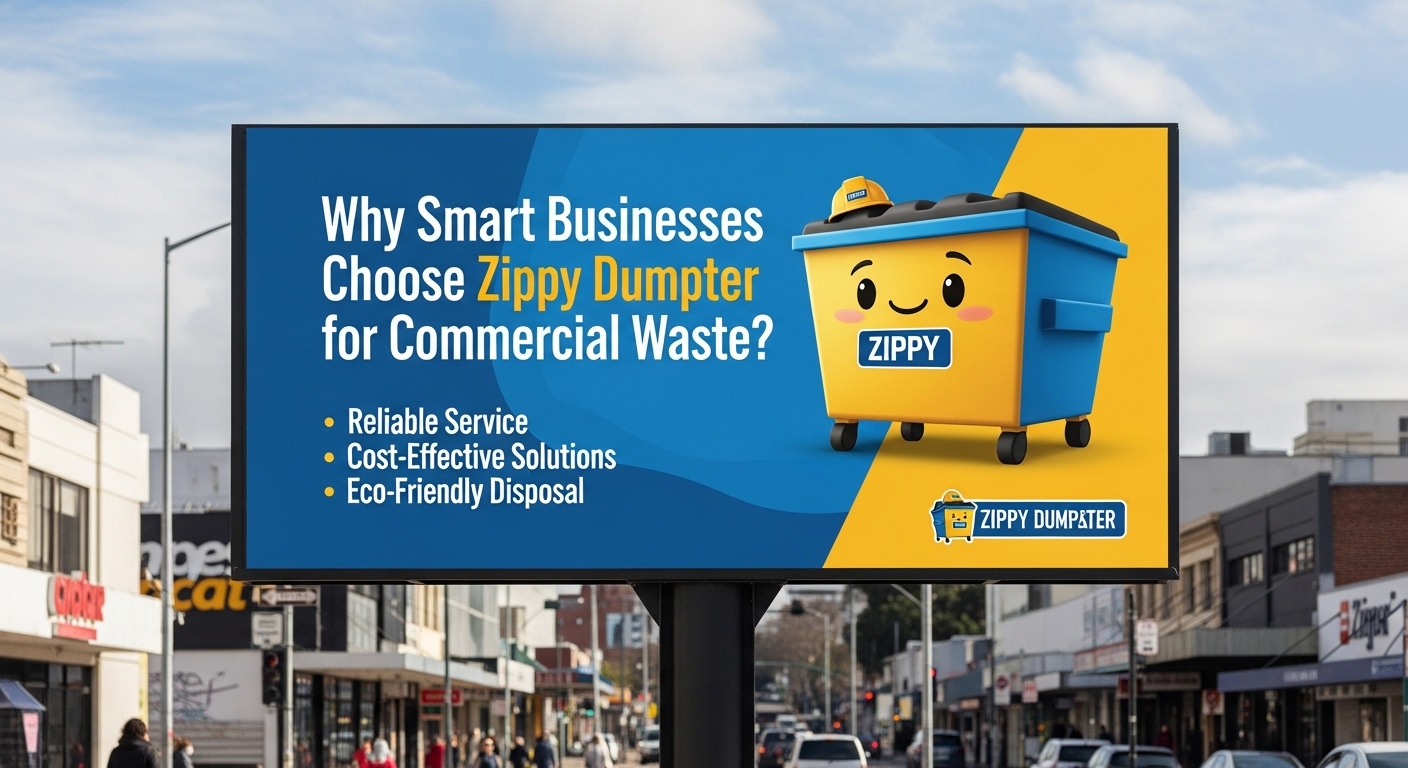
Running a business comes with enough challenges—waste management shouldn’t be one of them. Whether you’re overseeing a renovation project, managing a retail location, or handling a large-scale cleanout, the way you handle debris and waste says a lot about how you operate. That’s where Zippy Dumpster comes in.
Commercial dumpster rental is one of those behind-the-scenes solutions that keeps businesses running smoothly. Get it right, and your site stays clean, your team stays productive, and your project stays on schedule. Get it wrong, and you’re dealing with overflowing waste, compliance headaches, and costly delays. Zippy Dumpster exists to make sure you always get it right.
The Real Cost of Poor Waste Management
Businesses that underestimate their waste management needs often pay the price—literally. Overflowing bins, multiple haul-away trips, fines for improper disposal, and time lost coordinating logistics can quietly drain a project budget. What looks like a small oversight early on tends to snowball fast.
A reliable commercial dumpster rental eliminates most of these risks upfront. You get the right container size for the job, a clear pickup schedule, and a team that handles the logistics so you don’t have to. Zippy Dumpster takes this a step further by offering flexible rental terms and responsive customer service that adapts to your timeline—not the other way around.
What Sets Zippy Dumpster Apart
There’s no shortage of dumpster rental companies out there. So what makes Zippy Dumpster the smarter choice for commercial clients?
Fast, Reliable Delivery
Time is money on any commercial job site. Zippy Dumpster prioritizes prompt delivery so your project doesn’t stall waiting on equipment. When you book a rental, you get a confirmed drop-off window—and they show up on time.
Right-Sized Containers for Every Job
Not every commercial project generates the same volume of waste. A retail remodel looks very different from a full office buildout. Zippy Dumpster offers a range of container sizes to match the scale of your project, so you’re never paying for capacity you don’t need or scrambling because you underestimated.
Transparent Pricing
Hidden fees are one of the most common complaints in the dumpster rental industry. Zippy Dumpster operates differently. Pricing is clear from the start, with no surprises when the invoice arrives. For commercial clients managing tight budgets and multiple vendors, that kind of transparency matters.
Flexible Rental Periods
Commercial timelines shift. Contractors know this better than anyone. Zippy Dumpster offers flexible rental periods that can be adjusted as your project evolves, keeping your waste management solution aligned with your actual needs.
Industries That Benefit Most from Commercial Dumpster Rental
Zippy Dumpster serves a wide range of commercial clients across multiple industries. Here’s where a commercial dumpster rental makes the biggest impact:
Construction & Renovation: Job sites generate significant volumes of concrete, drywall, lumber, and metal debris. Having a dedicated dumpster on-site keeps the workspace safe and organized from day one.
Retail & Commercial Fit-Outs: Launching or refreshing a retail space means disposing of old fixtures, packaging materials, and construction waste quickly and efficiently.
Property Management: Managing multiple units or a large commercial property means ongoing waste needs. Zippy Dumpster can support routine cleanouts, tenant turnovers, and seasonal property maintenance.
Event Management: Large-scale events produce a surprising amount of waste. A commercial dumpster rental ensures clean, efficient disposal before, during, and after the event.
Manufacturing & Warehousing: Facilities dealing with regular material waste benefit from consistent, scheduled dumpster services that keep operations clean and compliant.
How the Rental Process Works
One of the reasons businesses keep coming back to Zippy Dumpster is how straightforward the process is.
- Choose your container size based on the scope of your project. Not sure what you need? The Zippy Dumpster team can help you figure it out.
- Select your rental period to match your project timeline.
- Schedule your delivery at a time that works for your site.
- Fill it up at your own pace during the rental period.
- Request pickup when you’re done, and Zippy Dumpster handles the rest.
No complicated contracts. No runaround. Just a clean, efficient service from start to finish.
Common Questions About Commercial Dumpster Rental
How do I know what size dumpster I need?
The right size depends on the volume and type of waste your project will generate. Zippy Dumpster’s team can assess your needs and recommend the best fit—so you’re not over- or under-equipped.
Can I extend my rental period if the project runs long?
Yes. Zippy Dumpster offers flexible extensions to accommodate shifting timelines. Just reach out before your scheduled pickup, and the team will work with you.
What materials are accepted in a commercial dumpster?
Most construction debris, renovation waste, and general commercial waste are accepted. Hazardous materials are excluded, as they require specialized disposal. When in doubt, ask the Zippy Dumpster team—they’ll clarify what’s permitted before you book.
Is same-day or next-day delivery available?
Zippy Dumpster prioritizes fast turnaround for commercial clients. Availability depends on location and container size, but prompt delivery is a core part of what they offer.
The Zippy Dumpster Advantage for Your Bottom Line
Beyond the convenience, there’s a genuine financial case for choosing the right commercial dumpster rental partner. When waste management runs smoothly, projects finish faster, sites stay cleaner, and teams spend less time dealing with logistics. That adds up—across every project, every quarter, every year.
Businesses that partner with Zippy Dumpster consistently report smoother project execution and fewer waste-related disruptions. That’s not a coincidence. It’s the result of a service designed specifically to support commercial operations at scale.
Make Waste Management One Less Thing to Worry About
Commercial dumpster rental provides timely delivery, properly sized containers, and transparent pricing that keep business projects running efficiently. Commercial projects are complex enough without adding waste logistics to the list of things that can go wrong. Zippy Dumpster takes that burden off your plate with fast delivery, right-sized containers, transparent pricing, and a team that genuinely understands what commercial clients need.
Ready to simplify your next project? Contact Zippy Dumpster today and get your commercial dumpster rental sorted quickly, professionally, and at a price that makes sense for your business.
-
 Blog10 months ago
What Is i̇ns? Exploring Its Origins, Usage, and Symbolism
-

 Technology9 months ago
100GBASE-ZR4 Optical Modules: A Practical Long-Reach Solution for Modern Data Center Interconnects
-

 Business9 months ago
Essential Online Banking Security Tips to Protect Your Finances
-
 Blog1 year ago
Jememôtre: A Hidden Gem in the World of Culture
-
 Blog11 months ago
Antarvafna: The Hidden Gem of Cultural Heritage
-

 Technology10 months ago
Cartetach: The Next Big Thing in Digital Communication
-

 Blog10 months ago
Daniel R Locke Virtual AIA: A Complete Profile and Career Overview
-

 Technology6 months ago
Microsoft Exchange Public Folders Connector for Search From Ba Insight vs Traditional Search Tools: Which to Choose