
Business
Tampa Homeowners: Skip the Repairs and Sell Your Home for Cash


For many Tampa homeowners, owning a home means more than just monthly payments. It also means keeping up with repairs that never seem to end. A roof nearing the end of its life, lingering moisture issues from Florida’s humidity, an aging HVAC system struggling through summer heat, or insurance companies demanding updates after inspections—these challenges are common across Tampa. When several of these issues pile up at once, deciding what to do next can feel overwhelming.
Why Home Repairs in Tampa Can Be Especially Costly
Tampa’s climate plays a major role in home maintenance costs. High humidity, heavy rain, and the constant threat of hurricanes accelerate wear on roofs, siding, and foundations. Salt air in coastal areas can corrode metal components faster than homeowners expect. Add rising labor and material costs, and even “minor” repairs can quickly turn into major expenses.
Insurance requirements also complicate matters. Many Tampa homeowners find that insurers now require roof replacements, updated electrical systems, or mitigation improvements before renewing coverage. These upgrades can cost tens of thousands of dollars, often with little immediate return if you’re planning to sell.
The Traditional Selling Route: Repairs First, Listing Later
Selling a home the traditional way usually means preparing it for the open market. That often involves repairs, cosmetic updates, and staging. After listing, buyers may request inspections, appraisals, and additional fixes before closing. Each step can introduce delays, renegotiations, or even failed contracts.
For homeowners with the time, budget, and patience, this process can work well. But for those facing urgent situations—financial pressure, relocation, or a property that needs extensive work—the traditional route can be stressful and uncertain.
What It Means to Sell a Home for Cash in Tampa
Selling a home for cash is a different approach. In most cases, a cash buyer purchases the property as-is, meaning the homeowner doesn’t need to complete repairs or upgrades. There are typically fewer contingencies, no lender requirements, and a faster closing timeline.
In Tampa, cash sales are often used for homes that don’t qualify easily for traditional financing, such as properties with older roofs, outdated systems, or deferred maintenance. While the price may differ from a fully renovated, retail listing, the trade-off is simplicity and speed.
When a Cash Sale Makes Sense
A cash sale isn’t the right solution for everyone, but it can be practical in certain situations:
- As-is homes: Properties needing significant repairs or updates
- Inherited homes: When heirs want to sell without managing renovations
- Rental properties: Especially if tenants have moved out and repairs are needed
- Relocation: Job changes or life events that require a quick move
- Financial stress: Avoiding further expenses when repairs aren’t feasible
For homeowners thinking, “Should I sell my house for cash in Tampa instead of fixing everything first?” these scenarios are often where the option is most helpful.
Addressing Common Concerns About Cash Sales
One common misconception is that all cash offers are unfair or unreliable. In reality, pricing varies depending on the property, market conditions, and repair needs. Reputable buyers typically factor in renovation costs, holding expenses, and risk—similar to how traditional buyers consider future repairs.
Another concern is legitimacy. As with any real estate transaction, homeowners should take time to verify who they’re working with, carefully review contracts, and avoid pressure tactics. Transparency and clear timelines are key indicators of a trustworthy process.
Speed is often a benefit rather than a drawback. While traditional sales can take months, cash transactions may close in weeks or even days, which appeals to those needing to sell a house fast in Tampa.
Exploring Your Options as a Tampa Homeowner
Whether you choose to renovate and list traditionally or sell a home for cash in Tampa, the best decision depends on your goals, timeline, and financial situation. Cash sales aren’t about shortcuts—they’re about flexibility. For some homeowners, avoiding costly repairs and lengthy processes provides peace of mind and a more straightforward path forward.
Before deciding, it’s wise to compare options, understand potential outcomes, and choose the path that aligns with your needs. Tampa’s real estate market offers multiple ways to sell, and informed homeowners are best positioned to make the choice that works for them.

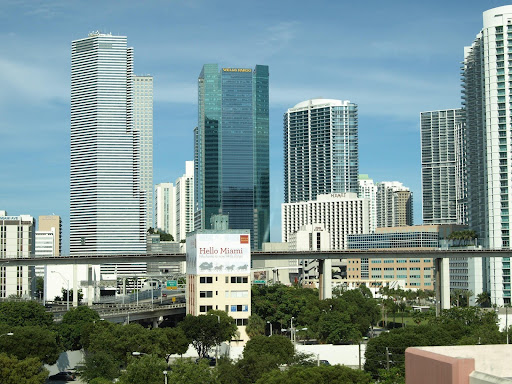
Miami drivers often notice insurance quotes varying widely across town. A Brickell condo owner might receive a $142 monthly rate while someone in Hialeah sees $98 for identical coverage. Clean driving records match everywhere, yet premiums scatter. Neighborhood risks differ significantly. Traffic conditions shift from one exit to the next. Vehicle choices influence costs noticeably. Driver profiles finalize the calculations. Local families frequently compare car insurance quotes Miami during renewal periods, looking beyond headline prices for practical fits. Valets on Ocean Drive scratch doors regularly. Airport routes encounter rental car pileups. Gated Pinecrest estates offer quiet overnight parking. These patterns create clear premium differences across zip codes, transforming generic quotes into tailored plans that align with daily driving realities.
A Coral Gables father recently gathered three quotes and laid them out on his kitchen table. The figures stayed within $15 of each other but revealed distinct approaches. The Brickell option included flood riders for nearby canals. The Hialeah version omitted collision coverage for older trucks. Wynwood fell in the middle with balanced protection. Miami’s diverse roads require such customized selections rather than uniform plans that leave coverage gaps.
Why Car Insurance Quotes Can Differ Across Miami
Neighborhood Risk Variations
Brickell high-rises feature crowded valet stands near every garage entrance, where rushed attendants often cause $900 door dings on fresh paint. Theft groups target parked luxury cars overnight, driving premiums to $168 to reflect these urban challenges. Coconut Grove’s low-lying areas near canals flood annually, with water claims occurring 28 percent more often than city averages – residents prepare for surge risks during hurricane season. Little Havana commuters travel US-1 steadily through commercial areas but avoid coastal flooding, and street parking reduces break-in chances compared to paid garages, resulting in rates around $112 monthly.
Hialeah’s railyard zones allow trucks to park curbside away from tourist hotspots, lowering rates to about $96 for industrial workers who deal more with potholes than theft. Wynwood’s weekend art walks attract dense crowds, leading to frequent bike collisions and pedestrian incidents that push urban premiums to $149, even for drivers with clean records. Pinecrest’s gated neighborhoods maintain quiet streets with minimal fender benders, reducing bills by $32 monthly compared to denser areas. Key Biscayne residents cross long bridges with consistent traffic flows that bypass mainland congestion, keeping premiums stable at $118. A South Beach bartender who relocated to Allapattah saw her $172 beachfront quote decrease by $46 immediately, demonstrating how street environments alone alter costs significantly.
Traffic Exposure Differences
I-95 northbound through Brickell crawls during rush hours, as semi-trucks merge closely with sports cars heading for off-ramps – rear-end incidents occur 24 percent more frequently than in suburbs, leading commuters to face $162 monthly averages. US-1 near Coral Gables university moves more smoothly with steady student drivers, allowing professors to secure rates near $128 without intense freeway pressures. The MacArthur Causeway fills with airport rental vehicles, particularly on weekends when tourist accidents rise alongside delivery vans navigating taxis, raising premiums to $155 for frequent users. Dolphin Expressway (836) provides quicker downtown access via toll lanes during peak mornings, lowering costs by $18 compared to surface roads.
Ocean Drive moves slowly with year-round tourists, where valet damage averages $780 per incident and pedestrian contacts increase liability quickly, requiring beach-area drivers to carry $171 averages. SW 8th Street in Little Haiti maintains steady commercial traffic without erratic merges, stabilizing local rates at $119. An Edgewater developer reduced airport trips through remote work and observed his $164 causeway premium fall to $127 with neighborhood driving. Traffic patterns accumulate risks block by block, making short commutes key factors that generic quotes overlook.
Vehicle Type Influence
Sports cars cruising South Beach at night attract thieves who easily cut convertible tops, resulting in $192 monthly premiums for models like red Ferraris that require additional safeguards. Minivans transporting Pinecrest children blend into family neighborhoods without drawing notice, achieving steady $108 rates for busy schedules. Trucks enduring Hialeah construction potholes withstand minor impacts on steel frames cost-effectively, maintaining rates around $115 due to their rugged build. Luxury sedans in Brickell garages necessitate expensive aluminum paint repairs at $2,800 per door, increasing premiums by $34 to account for those expenses.
Electric vehicles charging in Wynwood lofts avoid gas stations and exhibit low theft rates, reducing costs by $22 monthly. Classic cars stored in Coconut Grove garages encounter specialty glass limitations, with rear sliders costing $1,600 to replace, which raises quotes by $28 for older models. Miami drivers select coverage based on garage contents – an Overtown contractor replaced his sedan with an F-150 and reduced his premium by $36 solely due to the truck’s resilience. Vehicle structures determine claim expenses more clearly than brand names, directing quotes toward accurate repair projections.
Driver Profile Considerations
Young professionals in Brickell fresh from college typically see $176 quotes despite clean records, as age-related risks persist gradually. Families coordinating teen carpools in suburbs achieve $148 rates through multi-car bundling discounts. Rideshare operators circling South Beach passengers average $169, given the heightened claims from added mileage. Retirees driving Key Biscayne bridges secure $104 on low-mileage reductions for infrequent use.
Three years of clean driving unlocks $32 accident forgiveness discounts, though minor incidents still add $18 monthly. Married couples combining policies save 14 percent compared to individuals. A Little River mother included her husband on the policy, raising the $142 single rate to $238 for two cars but cutting the total by 16 percent – driver profiles build savings beyond initial vehicle costs. These factors layer atop vehicle details, creating personalized plans from basic figures.
What Information Affects Insurance Quotes for Miami Drivers
Driving History
Three years of clean records in areas like Buckhead yield 22 percent safe driver discounts, stabilizing $129 quotes amid increases. A fender bender from two years prior adds $26 monthly, while DUI incidents from a decade ago impose $68 penalties that diminish slowly. Past events cast extended effects on renewals – at-fault I-95 collisions add $41 on average, whereas not-at-fault claims raise costs by just $9. Multiple claims in a year compound penalties, while spotless histories accumulate reductions annually beyond standard rates.Miami drivers reference what is a deductible in car insurance to understand history’s role in claims – a Coconut Grove father received a speeding ticket at renewal, jumping his $134 clean quote by $29 immediately. Rental accidents forgiven after 36 months eliminate $22 surcharges, unlike consistent comprehensive theft claims. Records forecast costs more reliably than age, favoring consistent drivers.
Vehicle Specifications
Turbocharged sedans in Brickell nightlife areas increase rates by $36 over standard versions, as performance features signal higher risk. Everyday sedans on US-1 benefit from safety ratings that cut 12 percent universally. Hybrid minivans for Pinecrest carpools earn $18 monthly green discounts, and Wynwood Teslas reduce theft risks further with anti-lock brakes saving another $14. South Beach convertibles vulnerable to top cuts raise quotes by $27.
Hialeah trucks resilient to potholes maintain $112 rates against small damages. An Allapattah mechanic’s shift to a 4WD shop truck added $19 due to off-road classifications. Internal features refine risks beyond exterior models, aligning costs with durability.
Coverage Preferences
Comprehensive packages for I-95 hazards reach $152 monthly, compared to $89 liability minimums. Collision contributes $42 for merge safeguards, comprehensive adds $28 for hail and theft. Rental coverage handles $35 daily shop interruptions, roadside assistance covers $18 annual flats, and medical payments offset $2,100 ER bills – selections accumulate beyond requirements. Gap protection addresses $7,800 lease deficits after totals, uninsured motorist aligns with liability for $24 more. Specialized add-ons suit coastal needs. NHTSA road safety resources inform these decisions – a Brickell policyholder added glass coverage, raising the $142 base by $16 but avoiding a $650 windshield expense. Options create complete profiles.
Annual Mileage Estimates
Airport shuttles at 25,000 miles yearly reach $162 quotes from elevated exposure. Errands below 7,500 miles cut $34 via usage credits. South Beach rideshare at 18,000 miles averages $155, while Key Biscayne retirees at 4,000 miles hit $102. Projections establish core risks.
Warehouse delivery vans enter business categories $41 above personal carpools at $118. A Wynwood artist reduced gallery trips remotely, dropping from 15,000 to 6,200 miles and saving $28 instantly. Actual odometer data supersedes estimates.
How Drivers Use Quotes to Compare Coverage Options in Miami
Evaluating Coverage Limits
Brickell policies limited to $25,000 liability expose gaps in four-car I-95 accidents. $100,000 tiers handle ER costs fully. Uninsured motorist equaling liability defends against unmarked trucks, unlike $50,000 limits. Medical payments cover $5,000 whiplash rapidly, with elevated caps fitting typical claims.
A Little Havana father contrasted $30,000 and $250,000 bodily injury after a $4,200 medical tap – lower coverage drained savings. Pinecrest carpools demand robust per-person limits beyond $25 to manage child ER visits effectively.
Understanding Deductibles
$250 deductibles handle $1,800 Brickell valet repairs seamlessly, unlike $1,000 options saving $36 monthly but absorbing small claims. South Beach glass at $720 favors lows. Hialeah dents split fairly at $500. Selections suit financial readiness.
Real quotes educate – a Coconut Grove $18,000 flood with $500 deductible shifted $17,500 to insurers. Higher levels would squander premiums. Yearly $250 vs. $750 checks benefit clean records.
Comparing Policy Protections
$25 daily rental limits leave weeklong voids; $40 versions cover delays. Glass waivers prevent $650 windshield outlays. Roadside avoids $115 mid-merge tows, uninsured motorist claims tagless vehicles. Cargo protects Hialeah tools.
An Edgewater driver faced a $98 Uber fee from roadside gaps – superior quotes include it standard. Pet riders address Pinecrest seat scratches; trailer exclusions block catering payouts. Details distinguish robust options.
Long-Term Affordability Considerations
Three-year clean records build 22 percent safe driver savings, with multi-year locks maintaining $129 against 9 percent rises. Home-auto bundles cut 16 percent on $238 pairs, loyalty adds 12 percent annually. Student discounts contribute 15 percent.
A Brickell household combined clean history, marriage, and multi-car coverage, reducing a $176 single quote by $2,800 over four years. Extended perspectives identify lasting value. Miami driving reveals depth over time.

The rules of smart investing have shifted. Stocks fluctuate. Startups fail. Real estate markets tighten. Meanwhile, a growing number of savvy investors are putting their money into something more tangible—franchise ownership. And platforms like Franchise Investment System are making it easier than ever to find the right franchises for sale and turn ambition into a thriving business.
So what’s driving this momentum? And why are experienced investors increasingly choosing franchise ownership over other paths to financial independence? The answers might surprise you.
The Franchise Model Has a Track Record Worth Noticing
Franchise businesses operate with a built-in advantage that independent startups simply don’t have: a proven system. The brand is established, the processes are documented, and the customer base already exists. You’re not starting from zero—you’re stepping into a structure that’s been refined over years, sometimes decades.
This doesn’t mean franchise ownership is without challenges. But the numbers tell a compelling story. Franchise businesses consistently outperform independent small businesses in terms of longevity and profitability. When you invest in a franchise, you’re buying into something with a demonstrable history of success.
That foundation is exactly what the Franchise Investment System helps prospective owners tap into. Rather than sifting through hundreds of listings and hoping for the best, their platform connects investors with franchises for sale that align with their goals, budget, and lifestyle.
What Sets Franchise Investment System Apart
There’s no shortage of places to browse franchises for sale online. What’s rare is finding a platform that genuinely supports the decision-making process from start to finish.
Franchise Investment System takes a consultative approach. Their team works with investors to understand what they’re really looking for—whether that’s a hands-on owner-operator opportunity, a semi-passive investment, or a scalable multi-unit business. From there, they match investors with opportunities that fit, rather than flooding inboxes with irrelevant listings.
This personalized matchmaking process saves time and reduces risk. Instead of pursuing opportunities that look good on paper but don’t suit your circumstances, you get clarity early. That kind of targeted support is invaluable, especially for first-time franchise buyers navigating an unfamiliar landscape.
A Wide Range of Opportunities
One of the strengths of working with Franchise Investment System is the breadth of franchises for sale available across their network. From food and beverage to health and wellness, home services to education, investors can explore opportunities across virtually every major industry sector.
This variety matters. The best franchise investment isn’t necessarily the most well-known brand—it’s the one that aligns with market demand in your area, suits your operational preferences, and fits within your financial parameters. Having access to a wide pool of vetted options means you can make a genuinely informed decision rather than defaulting to whatever happens to be most advertised.
Why Now Is a Strong Time to Invest
Consumer spending patterns have shifted significantly in recent years, and many franchise categories are directly benefiting. Home services franchises are booming as homeowners prioritize maintenance and renovation. Health and wellness concepts are seeing sustained growth. Fast-casual dining continues to outperform traditional restaurant formats.
Franchises for sale in these high-growth categories represent a real opportunity for investors who move with intention. Waiting for the “perfect” moment rarely pays off. The investors who benefit most are those who act decisively when conditions are favorable—and right now, conditions are favorable.
Franchise Investment System stays on top of these market trends, helping investors identify which sectors offer the strongest near-term returns and the most sustainable long-term outlooks. This market intelligence is one of the platform’s most underrated advantages.
Lower Barrier to Entry Than You Might Think
A common misconception about franchise ownership is that it requires enormous upfront capital. While some brands do carry significant investment thresholds, many excellent franchises for sale are accessible at far more modest price points.
Franchise Investment System works across a wide investment range, meaning there are viable opportunities for investors at various stages of their financial journey. Whether you’re looking to invest a modest sum into a home-based franchise or you’re ready to commit to a multi-unit brick-and-mortar operation, there are options worth exploring.
The financing landscape has also improved. Many franchisors have established relationships with lenders, and SBA loan programs specifically designed for franchise investments can make ownership more accessible than many people realize.
The Real Advantage: You’re Not Doing This Alone
Perhaps the most underappreciated aspect of franchise ownership is the ongoing support structure that comes with it. Once you’re operating under a franchise agreement, you benefit from the franchisor’s experience, marketing resources, supply chain relationships, and operational support. You’re running your own business, but with a team behind you.
Franchise Investment System amplifies this advantage by ensuring investors find franchises where that support system is genuinely robust. Not all franchisors are created equal—some offer exceptional training and ongoing assistance, while others leave franchisees largely to their own devices. Knowing the difference before you sign is critical.
That’s where working with a knowledgeable intermediary pays dividends. Franchise Investment System’s team helps investors ask the right questions, review franchise disclosure documents with clarity, and connect with existing franchisees to get an unfiltered view of life inside the brand.
From Interest to Ownership: A Process That Works
The path from “I’m curious about franchises for sale” to “I own a thriving franchise” is more structured than most people expect. With the right guidance, it’s also less daunting.
Franchise Investment System has refined this process to remove unnecessary friction. Initial consultations focus on understanding your goals and financial position. From there, the team presents curated opportunities, facilitates introductions with franchisors, and supports investors through due diligence. By the time you’re ready to make a decision, you have the information and confidence to move forward.
This end-to-end support model is why so many investors choose to work with Franchise Investment System rather than going it alone. The franchise industry has its own language, its own norms, and its own potential pitfalls. Having an experienced guide through that process doesn’t just save time—it protects your investment.
The Opportunity Is There—The Question Is Whether You’ll Take It
Franchises for sale offer vetted, scalable business opportunities with proven systems and reliable returns for investors seeking financial independence. Franchise ownership has created financial independence for thousands of investors across the country. The businesses generating consistent returns aren’t always glamorous, but they are reliable, scalable, and backed by systems that work.
Franchise Investment System exists to connect motivated investors with the right franchises for sale—and to make the entire process more transparent, more efficient, and more rewarding. If you’ve been considering franchise ownership, there’s no better starting point than a conversation with their team.
The right opportunity is out there. Franchise Investment System will help you find it.
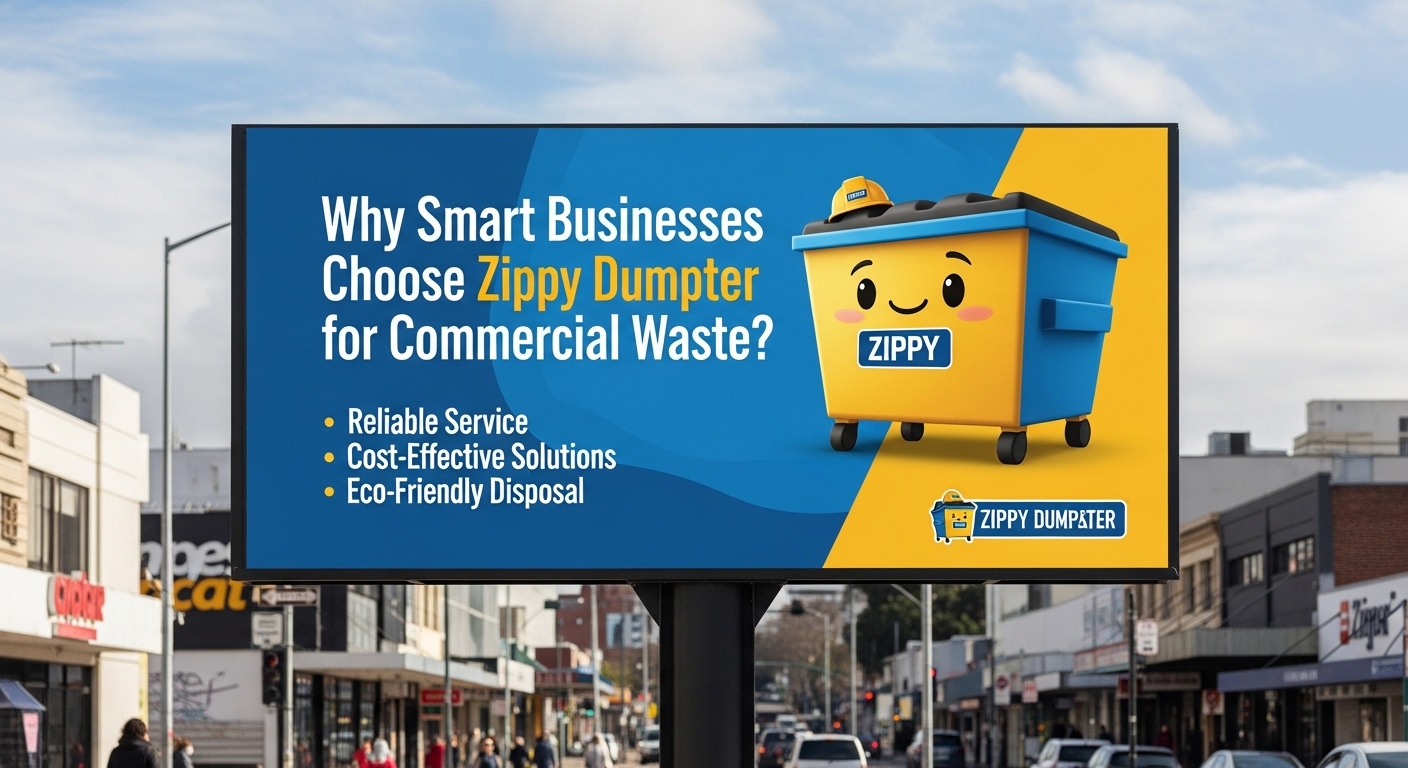
Running a business comes with enough challenges—waste management shouldn’t be one of them. Whether you’re overseeing a renovation project, managing a retail location, or handling a large-scale cleanout, the way you handle debris and waste says a lot about how you operate. That’s where Zippy Dumpster comes in.
Commercial dumpster rental is one of those behind-the-scenes solutions that keeps businesses running smoothly. Get it right, and your site stays clean, your team stays productive, and your project stays on schedule. Get it wrong, and you’re dealing with overflowing waste, compliance headaches, and costly delays. Zippy Dumpster exists to make sure you always get it right.
The Real Cost of Poor Waste Management
Businesses that underestimate their waste management needs often pay the price—literally. Overflowing bins, multiple haul-away trips, fines for improper disposal, and time lost coordinating logistics can quietly drain a project budget. What looks like a small oversight early on tends to snowball fast.
A reliable commercial dumpster rental eliminates most of these risks upfront. You get the right container size for the job, a clear pickup schedule, and a team that handles the logistics so you don’t have to. Zippy Dumpster takes this a step further by offering flexible rental terms and responsive customer service that adapts to your timeline—not the other way around.
What Sets Zippy Dumpster Apart
There’s no shortage of dumpster rental companies out there. So what makes Zippy Dumpster the smarter choice for commercial clients?
Fast, Reliable Delivery
Time is money on any commercial job site. Zippy Dumpster prioritizes prompt delivery so your project doesn’t stall waiting on equipment. When you book a rental, you get a confirmed drop-off window—and they show up on time.
Right-Sized Containers for Every Job
Not every commercial project generates the same volume of waste. A retail remodel looks very different from a full office buildout. Zippy Dumpster offers a range of container sizes to match the scale of your project, so you’re never paying for capacity you don’t need or scrambling because you underestimated.
Transparent Pricing
Hidden fees are one of the most common complaints in the dumpster rental industry. Zippy Dumpster operates differently. Pricing is clear from the start, with no surprises when the invoice arrives. For commercial clients managing tight budgets and multiple vendors, that kind of transparency matters.
Flexible Rental Periods
Commercial timelines shift. Contractors know this better than anyone. Zippy Dumpster offers flexible rental periods that can be adjusted as your project evolves, keeping your waste management solution aligned with your actual needs.
Industries That Benefit Most from Commercial Dumpster Rental
Zippy Dumpster serves a wide range of commercial clients across multiple industries. Here’s where a commercial dumpster rental makes the biggest impact:
Construction & Renovation: Job sites generate significant volumes of concrete, drywall, lumber, and metal debris. Having a dedicated dumpster on-site keeps the workspace safe and organized from day one.
Retail & Commercial Fit-Outs: Launching or refreshing a retail space means disposing of old fixtures, packaging materials, and construction waste quickly and efficiently.
Property Management: Managing multiple units or a large commercial property means ongoing waste needs. Zippy Dumpster can support routine cleanouts, tenant turnovers, and seasonal property maintenance.
Event Management: Large-scale events produce a surprising amount of waste. A commercial dumpster rental ensures clean, efficient disposal before, during, and after the event.
Manufacturing & Warehousing: Facilities dealing with regular material waste benefit from consistent, scheduled dumpster services that keep operations clean and compliant.
How the Rental Process Works
One of the reasons businesses keep coming back to Zippy Dumpster is how straightforward the process is.
- Choose your container size based on the scope of your project. Not sure what you need? The Zippy Dumpster team can help you figure it out.
- Select your rental period to match your project timeline.
- Schedule your delivery at a time that works for your site.
- Fill it up at your own pace during the rental period.
- Request pickup when you’re done, and Zippy Dumpster handles the rest.
No complicated contracts. No runaround. Just a clean, efficient service from start to finish.
Common Questions About Commercial Dumpster Rental
How do I know what size dumpster I need?
The right size depends on the volume and type of waste your project will generate. Zippy Dumpster’s team can assess your needs and recommend the best fit—so you’re not over- or under-equipped.
Can I extend my rental period if the project runs long?
Yes. Zippy Dumpster offers flexible extensions to accommodate shifting timelines. Just reach out before your scheduled pickup, and the team will work with you.
What materials are accepted in a commercial dumpster?
Most construction debris, renovation waste, and general commercial waste are accepted. Hazardous materials are excluded, as they require specialized disposal. When in doubt, ask the Zippy Dumpster team—they’ll clarify what’s permitted before you book.
Is same-day or next-day delivery available?
Zippy Dumpster prioritizes fast turnaround for commercial clients. Availability depends on location and container size, but prompt delivery is a core part of what they offer.
The Zippy Dumpster Advantage for Your Bottom Line
Beyond the convenience, there’s a genuine financial case for choosing the right commercial dumpster rental partner. When waste management runs smoothly, projects finish faster, sites stay cleaner, and teams spend less time dealing with logistics. That adds up—across every project, every quarter, every year.
Businesses that partner with Zippy Dumpster consistently report smoother project execution and fewer waste-related disruptions. That’s not a coincidence. It’s the result of a service designed specifically to support commercial operations at scale.
Make Waste Management One Less Thing to Worry About
Commercial dumpster rental provides timely delivery, properly sized containers, and transparent pricing that keep business projects running efficiently. Commercial projects are complex enough without adding waste logistics to the list of things that can go wrong. Zippy Dumpster takes that burden off your plate with fast delivery, right-sized containers, transparent pricing, and a team that genuinely understands what commercial clients need.
Ready to simplify your next project? Contact Zippy Dumpster today and get your commercial dumpster rental sorted quickly, professionally, and at a price that makes sense for your business.
-
 Blog4 months ago
What Is i̇ns? Exploring Its Origins, Usage, and Symbolism
-
 Blog5 months ago
Jememôtre: A Hidden Gem in the World of Culture
-

 Technology3 months ago
100GBASE-ZR4 Optical Modules: A Practical Long-Reach Solution for Modern Data Center Interconnects
-

 Business3 months ago
Essential Online Banking Security Tips to Protect Your Finances
-

 Technology4 months ago
Cartetach: The Next Big Thing in Digital Communication
-

 Technology4 months ago
Rgarrpto: Understanding Its Impact on Modern Technology
-

 Life Style4 months ago
Taylor Breesey Face Reveal: Everything Fans Need to Know
-

 Blog4 months ago
Hormita: Understanding the Meaning, Uses, and Digital Importance of a Rising Keyword