
Home Improvement
Understanding heat detectors and when your home needs one

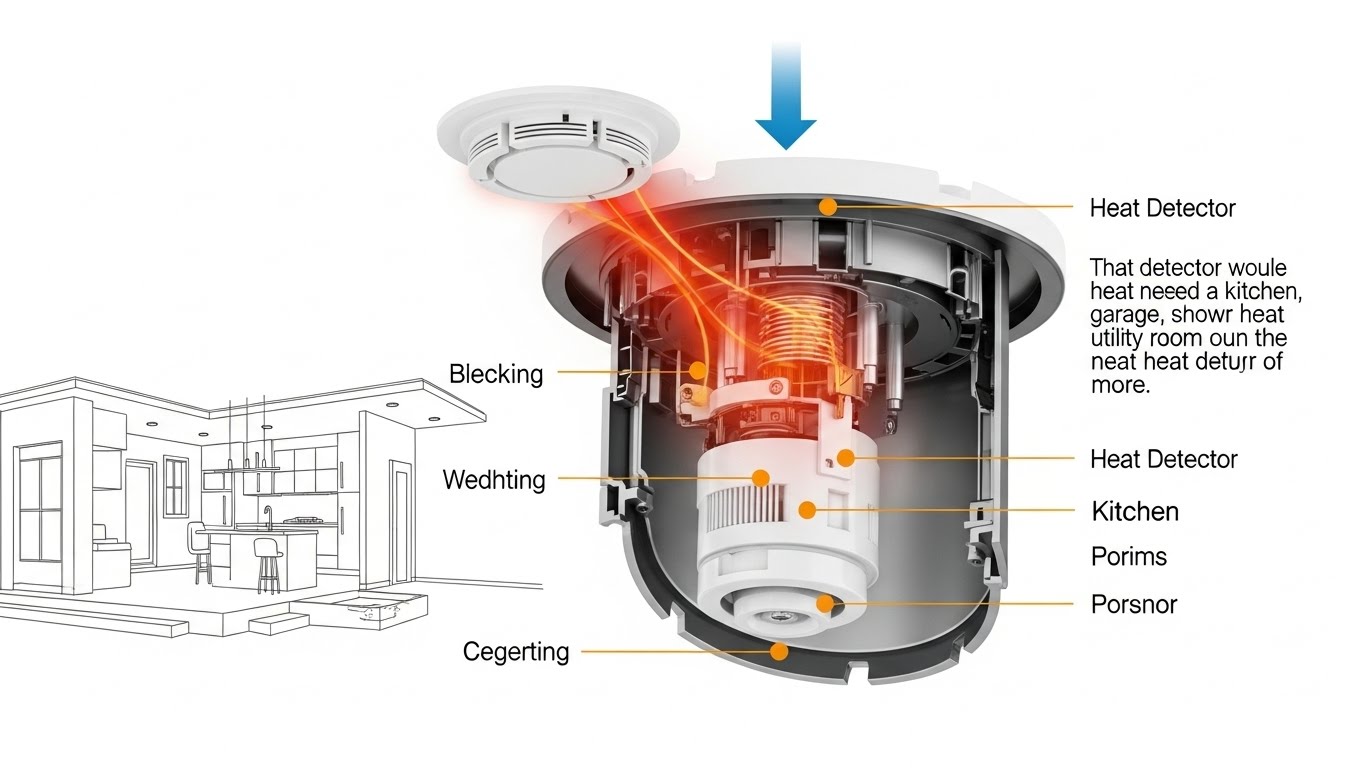
Heat detectors play a vital role in protecting homes from fire hazards, especially in areas where traditional smoke alarms may not perform effectively. These devices sense rising temperatures and provide an early alert before a fire spreads. Understanding how they differ from smoke detectors helps homeowners make informed safety choices.
How heat detectors work
A heat detector responds to changes in temperature rather than smoke particles. Most models use one of two main technologies: fixed temperature or rate-of-rise detection. Fixed temperature units trigger when the air reaches a set threshold, while rate-of-rise models respond when temperature increases rapidly within seconds.
Unlike smoke alarms, which can be triggered by dust, steam, or cooking fumes, heat detectors remain stable in challenging environments. This makes them ideal for kitchens, garages, attics, and workshops where airborne particles are common.
Differences between smoke and heat detection
Both systems improve home safety but serve distinct purposes. Smoke detectors identify the presence of combustion particles, offering faster warnings in most living spaces. Heat detectors, however, are better suited for locations with poor air circulation or high humidity, where smoke sensors may produce false alarms.
Modern interconnected systems often combine these capabilities. For example, a HomeKit smoke detector can integrate with temperature and motion monitoring, allowing comprehensive environmental awareness throughout the property.
When to install heat detectors
Not every room requires a heat detector, but several situations make them valuable additions to a safety plan. Installation should be considered in areas prone to high heat or occasional smoke, where standard alarms might fail.
- Kitchens where cooking vapours can trigger false smoke alerts
- Garages or workshops containing engines or flammable materials
- Boiler rooms or laundry spaces with varying temperature levels
- Attics or crawl spaces are susceptible to dust buildup
Combining heat and smoke detection ensures broader coverage and reduces the risk of unnoticed fires in overlooked areas.
Smart integration for better safety
Advances in home technology allow sensors to communicate with lighting, ventilation, and mobile devices. Systems that integrate with multiple sensors can provide real-time updates, supporting faster responses to potential hazards.
Devices like the owl sensor combine smoke, carbon monoxide, motion, and temperature measurement into one unit. This configuration enhances awareness by monitoring several safety indicators simultaneously, reducing the need for multiple separate devices.
Maintenance and testing
Regular maintenance ensures reliable performance. Homeowners should test their detectors monthly and replace batteries according to manufacturer recommendations. Cleaning vents and ensuring unobstructed airflow around sensors prevents dust accumulation that may affect sensitivity.
Heat detectors generally have a longer lifespan than smoke detectors, but still require periodic inspection. Replacing units every ten years keeps systems aligned with current safety standards.
Building a comprehensive fire safety plan
Installing the right mix of detection devices is only one component of home safety. Equally important are escape routes, fire extinguishers, and family preparedness. Every household should review evacuation procedures and practice them regularly.
By understanding how heat detectors complement other safety tools, homeowners create a balanced defence against both sudden and slow-developing fire risks. Whether through smart systems or simple devices, consistent attention to detection technology strengthens overall protection for people and property.

We often spend hours curating the perfect furniture, painting walls, and selecting rugs. Yet, one of the most impactful elements of a room frequently goes unnoticed until it becomes a visible problem. The glass panes separating your cozy interior from the outside world dictate exactly how light enters your home. Grimy, streaked glass filters out sunshine and casts a subtle gloom over your carefully designed spaces.
Routine window cleaning does much more than remove dust and pollen. It fundamentally shifts the atmosphere of your environment. Having crystal clear glass affects everything from your daily mood to the perceived value of your property. Exploring the deeper benefits of pristine glass reveals exactly why this chore deserves a top spot on your home maintenance checklist.
The Subtle Psychology of Natural Light
Humans are wired to respond to sunlight. The amount of natural light entering your home directly influences your circadian rhythm, which controls your sleep cycles and daily energy levels. When dirt, bird droppings, and hard water stains accumulate on your exterior glass, they act as a physical barrier to that vital sunlight.
Boosting Daily Energy
Living in a well-lit space naturally encourages alertness. Morning sunlight streaming through a spotless pane signals to your brain that it is time to wake up and start the day. Conversely, a room shadowed by a layer of grime can feel inherently lethargic. By prioritizing professional window cleaning, you maximize the sunlight pouring into your kitchen, living room, and home office. This simple change often results in a noticeable uptick in your overall daily energy and focus.
Combating Seasonal Slumps
During the shorter days of autumn and winter, capturing every available ounce of sunlight becomes critical. Reduced sunlight exposure is heavily linked to seasonal mood shifts. Dirty glass scatters incoming light, reducing its intensity and warmth. Keeping your glass pristine ensures you absorb as much natural light as possible, helping to keep your spirits high even when the days grow short.
Aesthetic Appeal Inside and Out
First impressions matter. The exterior of your home communicates volumes to guests, neighbors, and potential buyers. Windows act as the eyes of a house, and their condition heavily influences your property’s overall curb appeal.
Elevating Curb Appeal
You might have a perfectly manicured lawn and fresh exterior paint, but streaked, murky glass will immediately detract from those efforts. Clean glass reflects the sky and surrounding landscape beautifully, giving a house a crisp, well-maintained appearance. This attention to detail signals that the property is cared for inside and out.
Making Rooms Feel Expansive
Interior designers frequently use mirrors to make small spaces feel larger. Your windows serve a similar function. When glass is perfectly transparent, the boundary between the interior and the outdoors seems to disappear. The eye naturally travels past the window frame into the yard or cityscape beyond. This visual extension makes living rooms and bedrooms feel significantly more spacious and open. Smudges and dirt interrupt this visual flow, pulling your attention back to the physical barrier and making the room feel enclosed.
The Hidden Costs of Neglected Glass
Beyond aesthetics and mood, failing to maintain your glass can lead to tangible, expensive damage over time. Glass is porous, meaning it can absorb contaminants if they are left sitting on the surface for extended periods.
Hard Water and Glass Degradation
Sprinkler systems, rain, and building runoff often contain high levels of minerals like calcium and magnesium. When this water dries on your glass, it leaves behind mineral deposits. Over time, these hard water stains can actually etch into the glass itself. Once etching occurs, standard washing will no longer remove the cloudy appearance, and the glass may need to be entirely replaced.
Energy Efficiency Drops
Modern windows are designed to help regulate the temperature of your home. In the winter, you want the sun’s warming rays to penetrate the glass and heat your rooms. A thick layer of dirt reflects and absorbs some of that solar heat before it ever reaches your interior. Keeping the panes clear helps your home harness passive solar heating, giving your HVAC system a slight break during colder months.
Partnering with the Experts
Achieving that flawless, streak-free finish is notoriously difficult to accomplish on your own. Store-bought sprays and paper towels usually just push dirt around, leaving behind static-charged fibers and frustrating smears. Furthermore, reaching second-story glass often involves climbing tall ladders, which introduces a significant safety risk for the average homeowner.
This is where calling in professionals like Blue River Power Washing makes all the difference. Professional technicians utilize specialized equipment, commercial-grade cleaning solutions, and purified water systems to safely remove years of buildup. They have the training to handle delicate architectural features and the right tools to leave your glass completely invisible. Hiring experts ensures the job is done safely, quickly, and with results that vastly outshine typical DIY efforts.
Step Into a Brighter Home
Window Cleaning enhances the ambiance of your living space by allowing natural light to flow freely through spotless glass, instantly transforming both mood and atmosphere. Rather than requiring major renovations or costly upgrades, this simple yet powerful service restores clarity, improves your home’s overall aesthetic, and even contributes to the long-term upkeep of your windows. By recognizing the impact of crystal-clear glass, you can see professional window cleaning as an essential investment in creating a brighter, healthier, and more welcoming home environment.
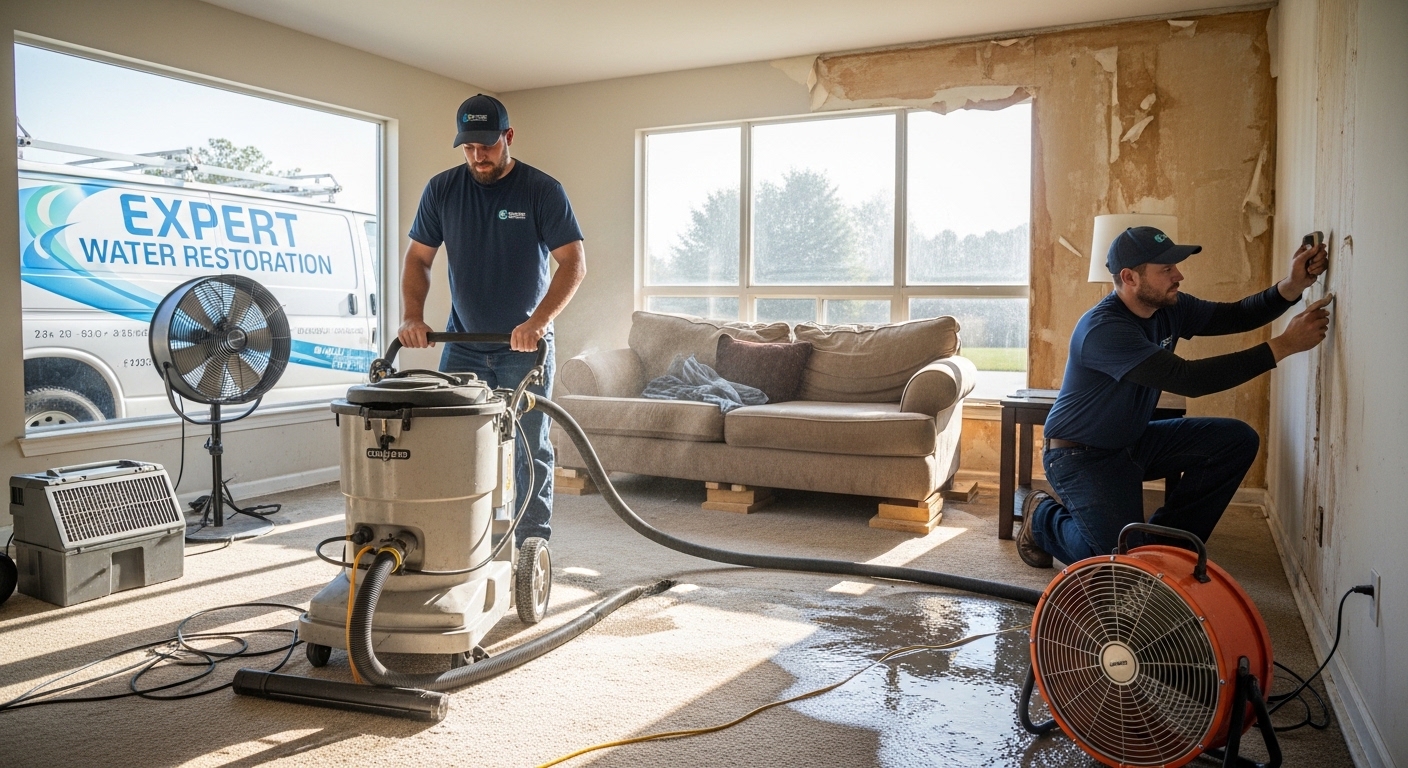
Water damage often feels like an insurmountable obstacle when it first occurs. A burst pipe, an overflowing appliance, or a sudden weather event leaves property owners staring at a chaotic and stressful scene. The sight of soaked floors and damaged drywall can easily cause panic.
Yet, this initial shock is actually the first step toward a complete property renewal. Proper intervention turns a stressful event into an opportunity to secure and refresh your living space. Fast action brings immediate relief and sets the stage for a stronger, healthier home environment.
This is where the true value of professional intervention shines. By relying on experienced technicians, you bypass the frustration of lingering moisture and structural concerns. Expert water restoration helps you quickly return to your normal routine while knowing your property is in capable hands.
The Hidden Resilience of Your Property
Houses are built to withstand a significant amount of stress. While standing water looks devastating, the underlying structure of your home is incredibly resilient. Moisture extraction experts know exactly how to tap into that resilience, saving materials that might otherwise seem ruined.
Seeing Past the Immediate Damage
When professionals arrive on the scene, they bring a highly trained eye. They do not just see a flooded living room. They see a salvageable subfloor, treatable baseboards, and a clear path to recovery. Advanced moisture mapping technology allows technicians to pinpoint trapped dampness behind walls and under floorboards. This precise approach prevents unnecessary demolition and keeps the structural integrity of your house intact.
How Professional Water Restoration Sparks Rapid Recovery
Speed is the most critical factor after a water-related incident. The faster the water is removed, the less time mold and mildew have to take root. Rapid response teams operate with a sense of urgency that matches the severity of the situation.
Advanced Techniques for a Fresh Start
Modern restoration relies on powerful, specialized equipment. Industrial-grade extractors pull gallons of water from carpets and padding in minutes. High-velocity air movers and commercial dehumidifiers then work in tandem to eliminate residual dampness from the air and structural materials. This combination completely neutralizes the threat of secondary damage. The environment is stabilized, and the air quality inside your home is protected.
Partnering with 1 Tom Plumber Harrisburg
Local expertise makes a massive difference during a property emergency. Choosing a team that understands the specific architecture, climate, and common plumbing challenges of your region ensures a smoother recovery. 1 Tom Plumber Harrisburg provides this exact level of localized, dedicated service.
Community-Focused Expertise
The professionals at 1 Tom Plumber Harrisburg treat every service call with the utmost respect and care. They arrive promptly, equipped with the right tools to halt the damage and begin the drying process immediately. Their transparent communication keeps you informed at every stage of the recovery. You never have to guess what is happening with your property. Instead, you get a clear timeline and the peace of mind that comes from working with a trusted community partner.
Common Questions About the Recovery Process
Will my home smell like dampness forever?
Absolutely not. Professional water restoration includes thorough deodorization and sanitization. By completely removing the moisture that causes musty odors, technicians ensure your home smells fresh and clean once the process is complete.
Can waterlogged carpets be saved?
Many times, carpets and their underlying padding can be fully restored. It depends heavily on the category of water and how quickly the extraction process begins. Clean water from a burst pipe is highly treatable, and industrial extractors are remarkably effective at saving soft furnishings.
How quickly does the drying process take?
Most standard drying processes take between three to five days. This timeline can vary based on the extent of the intrusion and the types of materials affected. Your restoration team will monitor the moisture levels daily to ensure the environment reaches its dry standard as efficiently as possible.
Reclaiming Your Safe Haven
Water Restoration turns a water emergency into a manageable setback rather than a lasting problem for your property. With the right approach, it becomes a temporary hurdle that you can quickly overcome. Professional extraction and drying techniques help protect your investment, safeguard your indoor air quality, and restore the comfort you deserve.
You do not have to handle the heavy lifting alone. If you ever face an unexpected leak or a major overflow, rely on proven experts to guide you through the recovery. Reach out to 1 Tom Plumber Harrisburg for fast, effective water restoration that brings your home back to life.
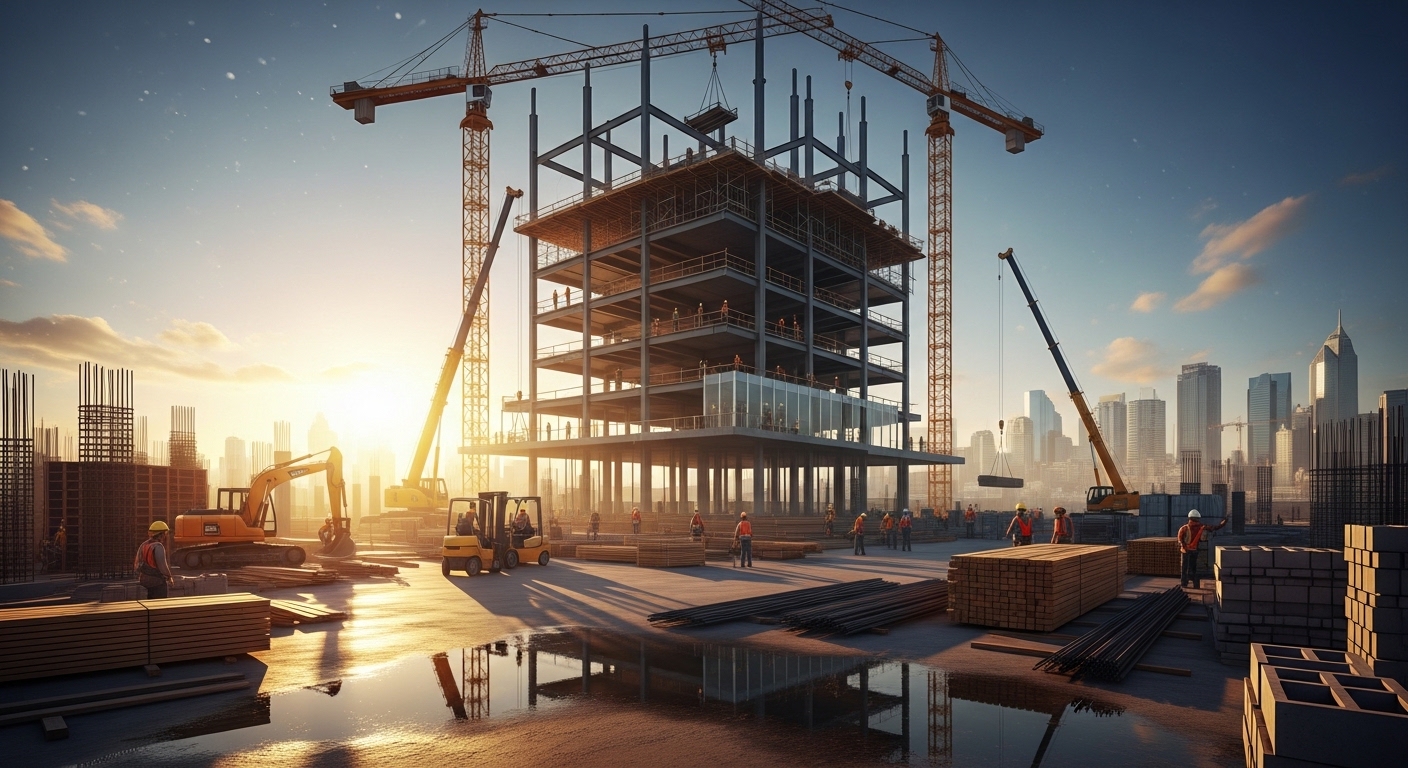
When a commercial building goes up smoothly—on time, on budget, and built to last—it rarely makes headlines. It’s just expected. But anyone who has been through a commercial construction project knows that seamless execution is anything but accidental. It’s the result of careful planning, skilled craftsmanship, and a team that genuinely cares about the outcome.
That’s what separates good commercial construction from great commercial construction. And as businesses continue to invest in new facilities, office spaces, retail environments, and industrial complexes, the standard for “great” keeps rising.
This post explores what truly excellent commercial construction looks like, why it matters more than ever, and how companies like Antoon Construction are raising the bar.
The Foundation of Every Successful Commercial Project
Before a single beam goes up, the groundwork for success is laid in the planning phase. Commercial construction involves far more complexity than residential builds—stricter codes, larger teams, tighter timelines, and much higher stakes.
The best construction companies thrive here. They coordinate architects, engineers, subcontractors, and clients from day one, keeping every stakeholder aligned before breaking ground. This kind of proactive communication isn’t just good practice—it’s what prevents costly delays and scope creep down the line.
Strong project management also means having contingency plans ready. Material shortages, weather disruptions, and permitting delays are part of the reality of commercial builds. Experienced teams anticipate these challenges rather than react to them.
Why Quality Craftsmanship Still Matters
Commercial buildings are long-term investments. A retail center, office complex, or industrial facility needs to function reliably for decades. That puts enormous pressure on the quality of materials and workmanship used throughout the build.
Cutting corners might save money in the short term, but structural deficiencies, poor insulation, or substandard electrical work can cost exponentially more to fix later. Beyond the financial implications, there’s a safety dimension that cannot be overstated—commercial spaces host employees, customers, and the public every day.
Top-tier commercial construction firms hold themselves to standards that exceed the minimum code requirements. They source quality materials, employ highly skilled tradespeople, and conduct thorough inspections at every stage of the build. The result is a structure that performs exactly as intended, year after year.
How Antoon Construction Approaches Commercial Builds
Antoon Construction has built a strong reputation by doing things the right way—consistently. Their approach to commercial construction centers on three core principles: transparency, craftsmanship, and client partnership.
Transparency means clients always know where their project stands. Budget updates, timeline adjustments, and any unexpected developments are communicated promptly. There are no surprises at the end of a build.
Craftsmanship is evident in every finished project. Antoon Construction’s teams take pride in the quality of their work, from the structural framework down to the finishing details. This commitment to excellence is what keeps clients coming back—and referring others.
Client partnership is perhaps the most distinguishing factor. Antoon Construction doesn’t just build what’s on the blueprint; they work closely with clients to understand the purpose of the space, the people who will use it, and the long-term vision behind the investment. That collaborative mindset produces buildings that truly serve their intended function.
The Rise of Smart, Sustainable Commercial Spaces
Commercial construction has evolved significantly over the past decade. Energy efficiency, sustainable materials, and smart building technology are no longer optional extras—they’re fast becoming standard expectations.
Businesses today want buildings that reduce their environmental footprint and lower long-term operating costs. Features like energy-efficient HVAC systems, LED lighting, solar-ready roofing, and high-performance insulation are now common requests in commercial briefs.
Progressive construction firms have embraced this shift enthusiastically. Incorporating green building practices doesn’t just benefit the environment—it adds real, measurable value to the property. Buildings certified under sustainability standards consistently attract premium tenants and command higher resale values.
Antoon Construction stays ahead of these trends, integrating sustainable building solutions without compromising on timelines or quality. It’s a reflection of how modern commercial construction balances performance, responsibility, and long-term value creation.
Building for Function, Not Just Form
A beautiful commercial building that doesn’t work well for its occupants is a missed opportunity. The best commercial construction projects strike a careful balance between aesthetics and functionality—and getting that balance right requires deep experience.
Consider a warehouse facility. The layout of loading docks, ceiling clearances, lighting placement, and floor load ratings all directly impact operational efficiency. A slight miscalculation in any of these areas can create bottlenecks that cost a business thousands of dollars a year.
Or consider an office space. The flow of natural light, the acoustic properties of meeting rooms, and the positioning of collaborative zones all influence how productive and satisfied employees feel at work. Research consistently shows that well-designed commercial spaces boost employee performance and reduce turnover.
Experienced commercial contractors think beyond the blueprint. They ask the right questions early in the design process to ensure the finished space truly supports the business operating within it.
The Value of a Trusted Construction Partner
For any business planning a commercial build, the choice of construction company is one of the most important decisions they’ll make. The right partner brings more than technical skills—they bring accountability, insight, and a genuine investment in the project’s success.
Antoon Construction has spent years earning the trust of commercial clients across a range of industries. Their portfolio reflects the breadth of their capabilities—from ground-up commercial developments to complex renovations and tenant improvements. Each project carries the same hallmark: quality work, delivered with integrity.
What makes a construction partner truly valuable is their ability to anticipate problems before they arise, propose smarter solutions when challenges appear, and maintain the highest standard of work from start to finish. That reliability is worth more than any short-term cost saving.
Building Something That Lasts
Commercial Construction that blends strategic planning, expert execution, and durable materials ensures your business space is not only functional but built to support growth, efficiency, and long-term success. It’s about more than just erecting a building—it’s about creating environments where employees perform at their best, clients feel confident, and every square foot maximizes the value of your investment. Well-executed commercial construction delivers a lasting return, strengthens your brand image, and provides a professional, welcoming space that reflects the ambition and vision behind your business.
That outcome doesn’t happen by accident. It happens when experience, craftsmanship, and genuine commitment to quality come together—project after project, team member after team member.
Antoon Construction brings all of that to every build. For businesses ready to invest in commercial construction done right, the difference is clear from the very first conversation.
Reach out to the Antoon Construction team today to discuss your next commercial project.
-
 Blog4 months ago
What Is i̇ns? Exploring Its Origins, Usage, and Symbolism
-
 Blog1 year ago
Jememôtre: A Hidden Gem in the World of Culture
-

 Technology4 months ago
100GBASE-ZR4 Optical Modules: A Practical Long-Reach Solution for Modern Data Center Interconnects
-

 Business3 months ago
Essential Online Banking Security Tips to Protect Your Finances
-

 Technology4 months ago
Cartetach: The Next Big Thing in Digital Communication
-

 Technology4 months ago
Rgarrpto: Understanding Its Impact on Modern Technology
-

 Life Style4 months ago
Taylor Breesey Face Reveal: Everything Fans Need to Know
-

 Blog4 months ago
Hormita: Understanding the Meaning, Uses, and Digital Importance of a Rising Keyword