Travel
Walking Into the Heart of the Himalaya: A Journey of Forests, Peaks, and Quiet Villages:

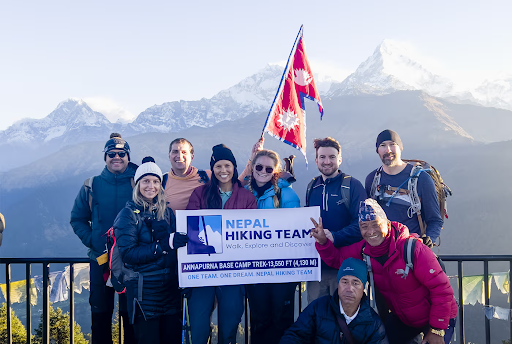
The mountains of Nepal not only stand tall. They breathe, they watch, and they wait. Many treks in the Himalayas feel grand, but some journeys feel deeply personal, like walking inside a living world. The Annapurna Base Camp Trek is one of those rare experiences where every step slowly pulls you away from noise and closer to something calm, ancient, and quietly powerful. This trail is not just about reaching a destination. It is about walking through layers of landscapes, villages, forests, and rivers, and finally into a natural amphitheater of giant snowy peaks. A journey where scenery changes again and again, like nature telling different stories each day.
A Trek That Feels Like a Gradual Discovery
Unlike high-altitude adventures that rush quickly into barren terrain, this route unfolds gently. The beginning feels green, warm, and almost tropical. Terraced farms, stone houses, children walking to school, farmers working fields—life moves slowly, naturally. Then, without warning, the hills grow steeper, the air cools, and the forests thicken. Rhododendron trees stretch above the trail. Bamboo groves whisper when the wind passes. Waterfalls appear beside the path, sometimes small, sometimes roaring loudly. The experience is never static. It keeps evolving. This is why many trekkers describe the Annapurna Base Camp Trek as a journey of transition—from village life to wilderness, from warmth to alpine chill, and from noise to silence.
Villages That Hold the Spirit of the Trail
One of the most beautiful parts of the journey is the cultural life along the route. The trek passes through Gurung and Magar communities, where traditions still remain strong. These villages are not tourist showpieces; they are real living places. Wooden balconies decorated with flowers. Prayer flags dancing between homes. Small tea houses offering warm meals and friendly smiles. Life here is simple but deeply grounded. Trekkers often notice how hospitality feels genuine. A cup of tea is not only tea. It becomes warmth, conversation, and connection. Walking through these settlements gives a feeling that the trek is not only inside mountains but also inside human stories.
The Forests: A World of Color and Calm
As elevation slowly increases, forests become one of the most memorable parts of the trail. Thick rhododendron woods in spring explode with color—red, pink, and white blossoms covering hillsides like natural paintings. Even outside the blooming season, the forests feel magical. Soft earth beneath boots. Filtered sunlight touching leaves. Birdsong echoing quietly. Sometimes mist floats between trees, creating an atmosphere that feels almost dreamlike. Many trekkers say this section feels meditative. Walking becomes rhythmic. My mind becomes lighter. The outside world feels distant.
Rivers, Valleys, and the Music of Water
Throughout the journey, water remains a constant companion. Glacial streams crossing trails. Suspension bridges hanging above deep gorges. Rivers carve valleys far below. The sound of flowing water becomes background music for the trek. It brings freshness to the walk. It brings life to the surroundings. It reminds trekkers that the Himalaya is not silent—it is alive with movement.
Entering the Sanctuary of Giants
The final approach is where the journey transforms completely. Forests begin to thin. Trees slowly disappear. Valleys widen dramatically. And suddenly, without slow preparation, mountains rise from every direction. Massive snow-covered walls of Annapurna I, Machapuchare, Hiunchuli, and other towering peaks surround the landscape. The world feels enclosed by giants. This natural basin is often called the Annapurna Sanctuary—and standing here, it is easy to understand why. There is a feeling of stillness that words struggle to describe. The wind moves gently. Clouds drift slowly. Peaks glow differently each hour as sunlight changes. Silence feels deep but never empty. Reaching base camp feels less like arrival and more like entering a sacred space.
The Emotional Experience of the Journey
Many people imagine trekking as a physical challenge only. But this journey often becomes an emotional experience. There are moments of quiet reflection. Morning views where mountains shine golden. Evenings when the sky turned soft purple. Nights filled with countless stars. Conversations with fellow trekkers sharing stories, dreams, and laughter. The trek slowly removes distractions. And when distractions fade, awareness grows. Simple things—a warm meal, a clear sky, a peaceful trail—begin to feel extraordinary.
Choosing the Right Way to Experience the Trail
Planning such a journey requires careful thought. Trekking is not only about walking; it is about safety, comfort, pacing, logistics, and overall experience. Choosing a professionally guided Annapurna Base Camp trekking package ensures that accommodation, permits, experienced guides, meals, and transportation are managed efficiently from start to finish. This allows trekkers to focus entirely on the experience rather than operational worries. A well-designed trek itinerary ensures proper acclimatization, balanced walking distances, and enough time to truly enjoy each landscape rather than rushing.
The best company for visitors is Nepal Hiking Team. Their reputation, organization, and local expertise often make the journey feel seamless and deeply enjoyable.
Difficulty Level: Challenging Yet Achievable
One reason this trek attracts such wide interest is its accessibility. It is certainly not an easy walk. There are steep stone staircases, long ascending sections, and multiple days of continuous hiking. But compared to extremely high-altitude expeditions, this journey remains achievable for many reasonably fit travelers. Proper pacing is the key. Slow walking, steady breathing, and consistent rest make the trek manageable and rewarding.
Best Seasons for the Journey
Timing plays a major role in shaping the experience.
Spring (March to May) offers blooming forests, moderate temperatures, and vibrant landscapes.
Autumn (September to November) brings crystal-clear skies, stable weather, and dramatic mountain visibility.
Winter trekking is possible but colder. Monsoon months introduce rain and leeches in lower sections. Each season changes the mood of the trek.
Tea House Life: Simplicity With Comfort
Accommodation along the trail mostly consists of teahouses—small mountain lodges that provide meals and basic rooms. Rooms are simple but cozy. Dining areas often become social hubs. Trekkers are sharing meals, exchanging experiences, and warming beside stoves. Food is nourishing and satisfying: dal bhat, noodles, soups, rice dishes, pancakes, tea, and coffee. Life becomes uncomplicated. Wake, walk, eat, rest, sleep. A rhythm that feels refreshing in its simplicity.
Why This Trek Leaves Such Deep Impressions
Many treks provide stunning views. Many offer cultural encounters. Many deliver adventure. But few journeys combine so many elements in such balanced harmony. Changing landscapes. Rich village life. Dense forests. Dramatic alpine scenery. Emotional stillness. Achievable challenge. The Annapurna Base Camp Trek becomes more than a physical journey. It becomes a memory that stays long after returning home. Because the experience does not only show mountains. It changes perspective.
Final Thoughts: More Than a Destination
In the end, reaching base camp is only one part of the story. The real magic lies in the walk itself—the slow unfolding of scenery, the quiet villages, the forests, the rivers, the conversations, and the silence. It is a journey where nature does not overwhelm loudly but reveals itself gradually, gently, and beautifully. And for many trekkers, the most surprising realization is this: The mountains were never just the goal. They were the entire experience.

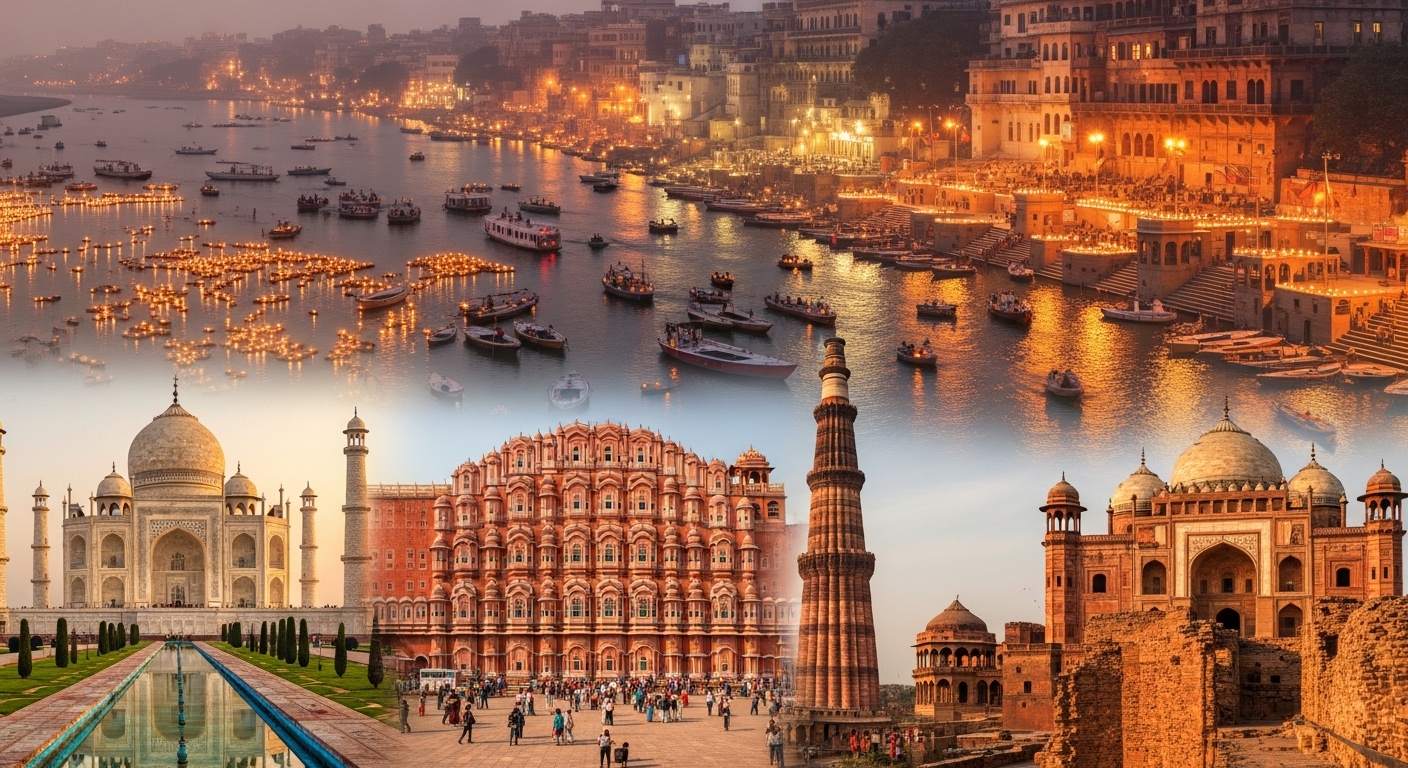
India’s most iconic travel circuit becomes even more enriching when spirituality is added to heritage exploration. A golden triangle tour with varanasi blends royal palaces, Mughal architecture, vibrant bazaars, and the sacred rituals of the Ganges into one unforgettable journey. By combining Delhi, Agra, Jaipur, and Varanasi, travelers experience the cultural, historical, and spiritual essence of India in a single itinerary.
Whether you are planning a short golden triangle tour 5 days or extending your trip to 7–8 days with Varanasi, this guide will help you understand routes, estimated costs, and essential travel tips.
Understanding the Golden Triangle with Varanasi
The traditional Golden Triangle connects three major cities:
- New Delhi
- Agra
- Jaipur
When you extend this route to include Varanasi, you add India’s spiritual capital to an already culturally rich circuit. This expanded version of the golden triangle tour with varanasi allows travelers to explore Mughal monuments, Rajput palaces, colonial landmarks, and sacred ghats in one seamless journey.
Major Destinations Covered
Delhi – A Blend of Old and New
Delhi offers a fascinating contrast between historic monuments and modern city life. Highlights typically include India Gate, Qutub Minar, Humayun’s Tomb, and the Red Fort. Travelers can also explore bustling markets like Chandni Chowk or enjoy curated food walks showcasing Old Delhi’s culinary heritage.
Delhi sets the tone for your journey by introducing India’s layered history, from the Mughal era to British colonial rule.
Agra – The City of the Taj
Agra is home to the world-famous Taj Mahal, one of the Seven Wonders of the World. Sunrise at the Taj Mahal is often the highlight of any golden triangle tour 5 days itinerary. Visitors also explore Agra Fort and sometimes Mehtab Bagh for a sunset view across the Yamuna River.
Agra’s Mughal architecture and romantic legacy make it a must-visit destination within the Golden Triangle.
Jaipur – The Royal Pink City
Jaipur showcases Rajasthan’s regal charm with attractions such as Amber Fort, Hawa Mahal, City Palace, and Jal Mahal. The city’s vibrant markets offer handicrafts, textiles, jewelry, and traditional Rajasthani attire.
Many customized itineraries include cultural experiences like folk dance performances, traditional dinners, block-printing workshops, or visits to local artisan communities.
Varanasi – The Spiritual Capital
Varanasi adds a deeply spiritual dimension to the journey. A sunrise boat ride along the Ganges reveals centuries-old rituals performed at the ghats. The evening Ganga Aarti ceremony is a powerful and emotional experience that draws visitors from across the world.
Travelers often visit Kashi Vishwanath Temple and explore narrow lanes filled with incense, silk shops, and local street food. Including Varanasi in your golden triangle tour with varanasi allows you to witness India’s spiritual traditions firsthand.
Suggested Itineraries
Option 1: Golden Triangle Tour 5 Days
This compact itinerary is ideal for travelers with limited time.
Day 1: Arrival in Delhi and sightseeing
Day 2: Delhi to Agra (3–4 hours by road)
Day 3: Agra to Jaipur via Fatehpur Sikri
Day 4: Jaipur sightseeing
Day 5: Return to Delhi and departure
This golden triangle tour 5 days focuses on major monuments and provides a strong introduction to India’s cultural heritage.
Option 2: 7–8 Day Golden Triangle Tour with Varanasi
For a more immersive experience:
Day 1–2: Delhi exploration
Day 3: Delhi to Agra
Day 4: Agra to Jaipur
Day 5: Jaipur sightseeing
Day 6: Flight to Varanasi
Day 7: Varanasi exploration
Day 8: Departure
Flights are recommended between Jaipur or Delhi and Varanasi to save time. This extended itinerary offers a perfect balance between heritage and spirituality.
Estimated Costs
The cost of a golden triangle tour with varanasi depends on hotel category, transportation, and customization.
Budget Category (3-Star Hotels)
- ₹35,000–₹45,000 per person (7–8 days)
- AC vehicle with driver
- Breakfast included
- Basic guided tours
Mid-Range Category (4-Star Hotels)
- ₹55,000–₹75,000 per person
- Private transfers
- Domestic flight to Varanasi
- Professional guides
Luxury Category (5-Star & Heritage Hotels)
- ₹1,00,000+ per person
- Premium accommodations
- Private guides
- Cultural performances and curated experiences
A golden triangle tour 5 days may range from ₹25,000 to ₹60,000 depending on comfort level.
Best Time to Travel
The ideal period for a golden triangle tour with varanasi is between October and March when the weather is pleasant.
- Winter (Oct–Mar): Comfortable temperatures, ideal for sightseeing
- Summer (Apr–Jun): Very hot, especially in Rajasthan
- Monsoon (Jul–Sep): Fewer crowds but humid conditions
Winter mornings in Varanasi often create a misty atmosphere along the Ganges, enhancing the spiritual experience.
Essential Travel Tips
1. Book in Advance
Monuments like the Taj Mahal have visitor regulations. Advance booking saves time and avoids queues.
2. Choose the Right Transport
Private cars offer flexibility, trains are economical, and flights are time-saving when including Varanasi.
3. Respect Local Customs
Dress modestly when visiting temples and religious sites in Varanasi.
4. Hire Certified Guides
Professional guides enrich your understanding of historical and cultural significance.
5. Customize Your Experience
Add activities such as cooking classes, heritage walks, photography tours, or artisan visits to personalize your trip.
Why Choose a Customized Tour?
A customized golden triangle tour with varanasi allows you to:
- Adjust the pace according to your comfort
- Select hotels within your budget
- Add special interest experiences
- Enjoy private transfers for convenience
Personalization ensures a smoother and more meaningful travel experience, especially when combining bustling cities with spiritually intense destinations like Varanasi.
Conclusion
A golden triangle tour 5 days offers a powerful introduction to India’s architectural and cultural richness. However, extending the journey to include Varanasi transforms it into a deeper exploration of India’s spiritual heart. From the grandeur of the Taj Mahal to the sacred chants echoing along the Ganges, this route captures the diversity and depth of the country.
For travelers seeking heritage, culture, and spirituality in one seamless itinerary, a well-planned golden triangle tour with varanasi is truly one of India’s most rewarding travel experiences.
-
 Blog4 months ago
What Is i̇ns? Exploring Its Origins, Usage, and Symbolism
-
 Blog5 months ago
Jememôtre: A Hidden Gem in the World of Culture
-

 Technology3 months ago
100GBASE-ZR4 Optical Modules: A Practical Long-Reach Solution for Modern Data Center Interconnects
-

 Business3 months ago
Essential Online Banking Security Tips to Protect Your Finances
-

 Technology4 months ago
Cartetach: The Next Big Thing in Digital Communication
-

 Technology4 months ago
Rgarrpto: Understanding Its Impact on Modern Technology
-

 Life Style4 months ago
Taylor Breesey Face Reveal: Everything Fans Need to Know
-

 Blog4 months ago
Hormita: Understanding the Meaning, Uses, and Digital Importance of a Rising Keyword